How Lazarev.agency redesigned Chuvachi into a furniture brand shoppers trust with high-value orders
Project:
the project
A furniture platform designed to sell quality before the price tag
Chuvachi is a contemporary furniture brand selling desks, dining tables, coffee tables, chairs, storage, and decor. Its original online presence showed the range but did little to signal the quality behind the price.
Furniture is a slow, high-stakes purchase. People weigh a piece for weeks before spending several hundred or several thousand, and an ordinary-looking catalog site loses them to international marketplaces and local rivals alike.
Lazarev.agency redesigned Chuvachi's furniture e-commerce platform into a structured, editorial buying experience. The work gave the brand a credible premium footing across desktop and mobile and a foundation it can grow on as the catalog expands.

The Project’s
Discovery Phase
A browsing system to keep considered buyers moving
A shopper who came to Chuvachi's store for a single coffee table had to dig through desks, chairs, storage, and decor, with no easy way to filter down to what they wanted.
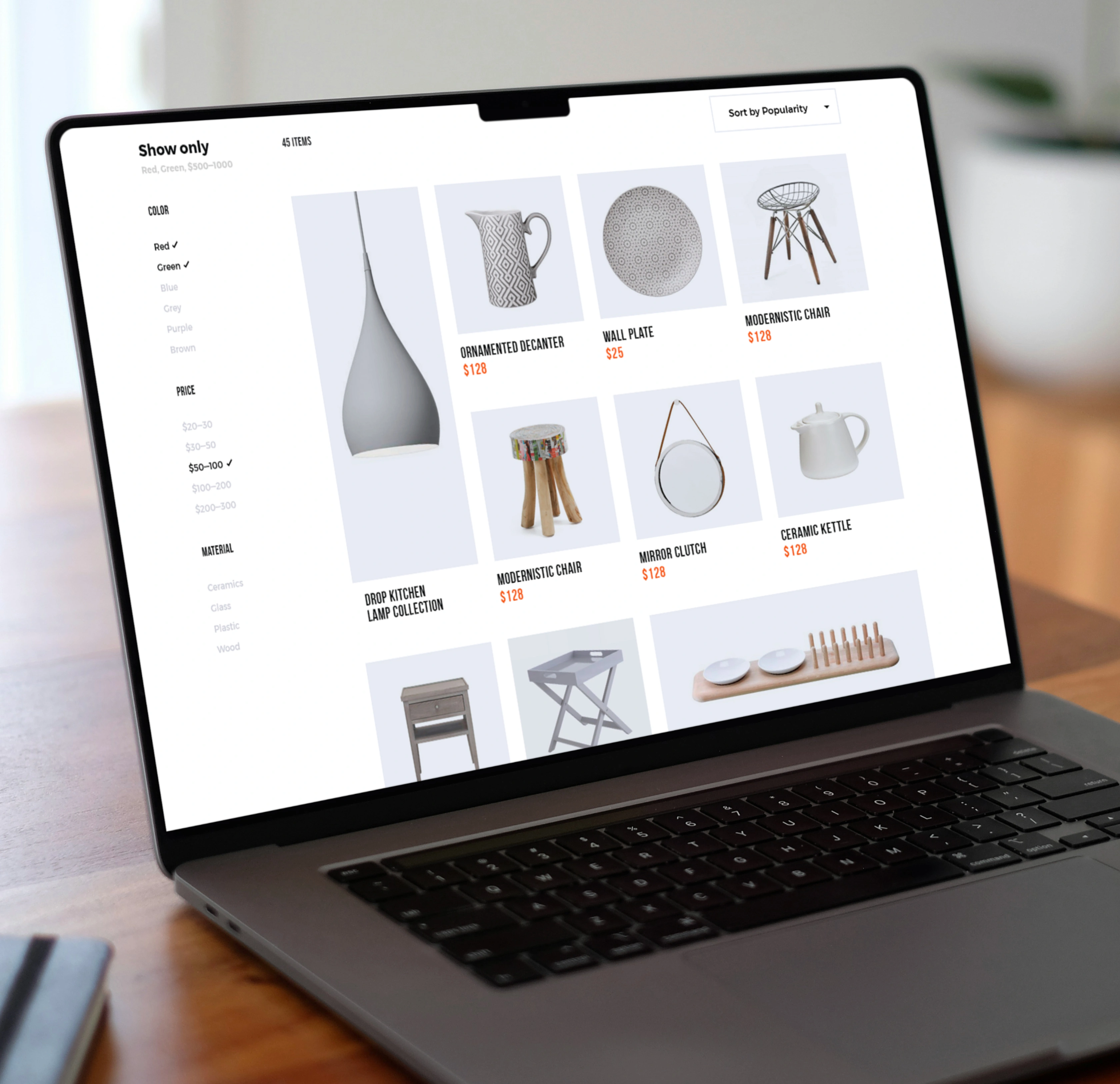
Lazarev.agency gave the catalog a browsing system organized around how furniture shoppers make purchasing decisions, with filters for color, budget, and material and a clear sort control.Â
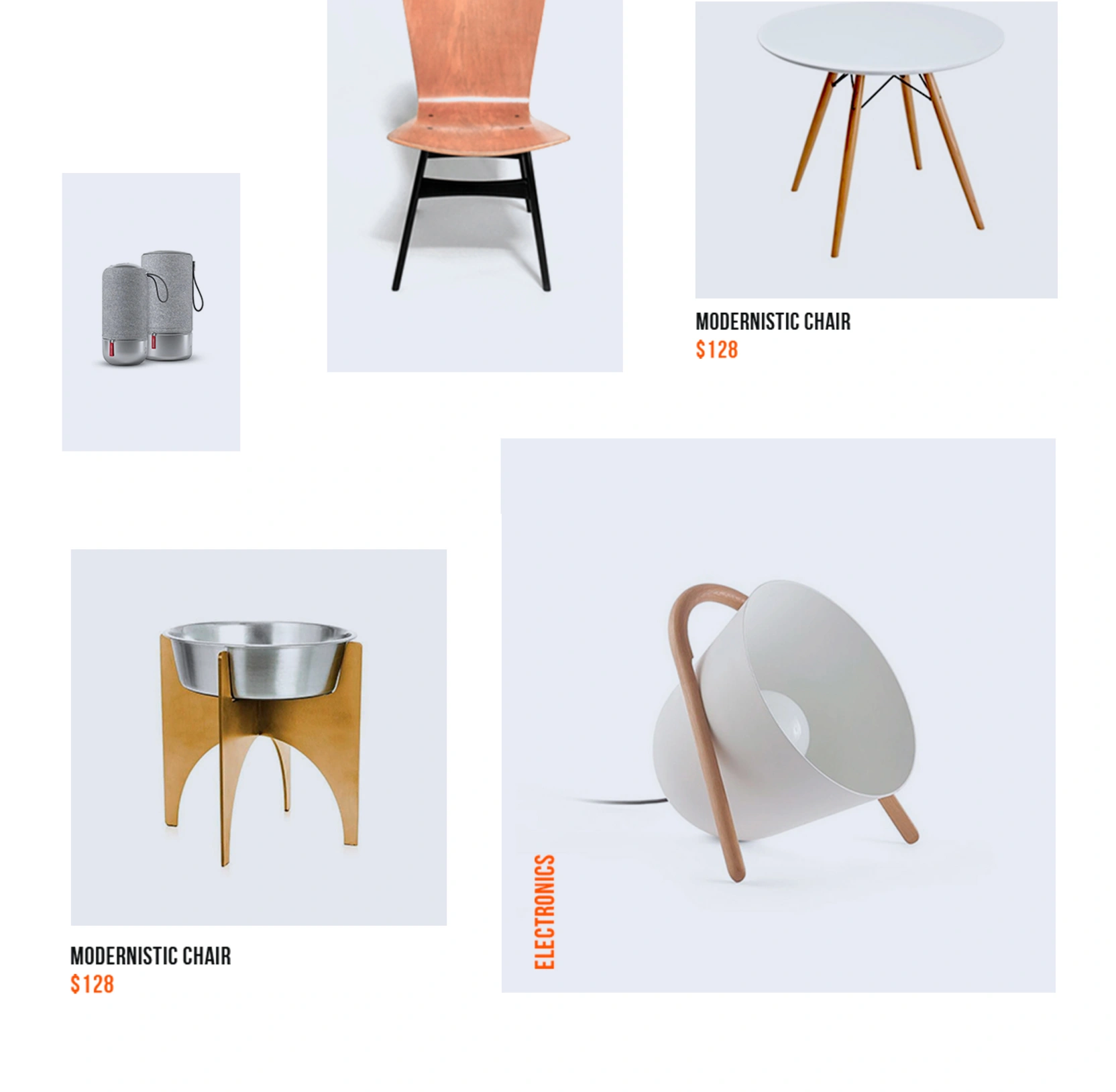
The editorial grid holds a large, mixed range in a calm, readable layout, so a buyer keeps sight of the whole collection without losing the piece they came for.
Product pages built to close higher-value sales
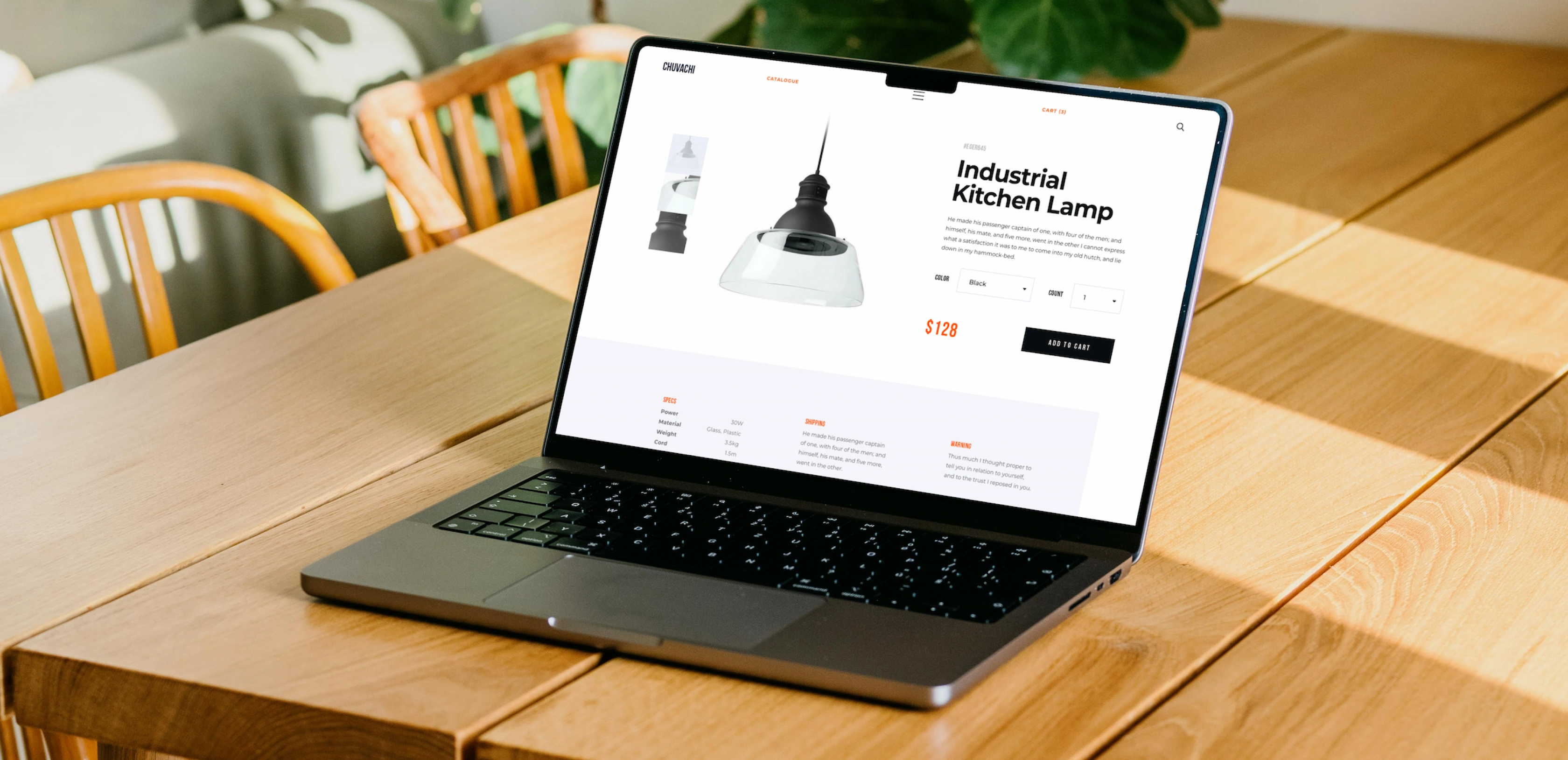
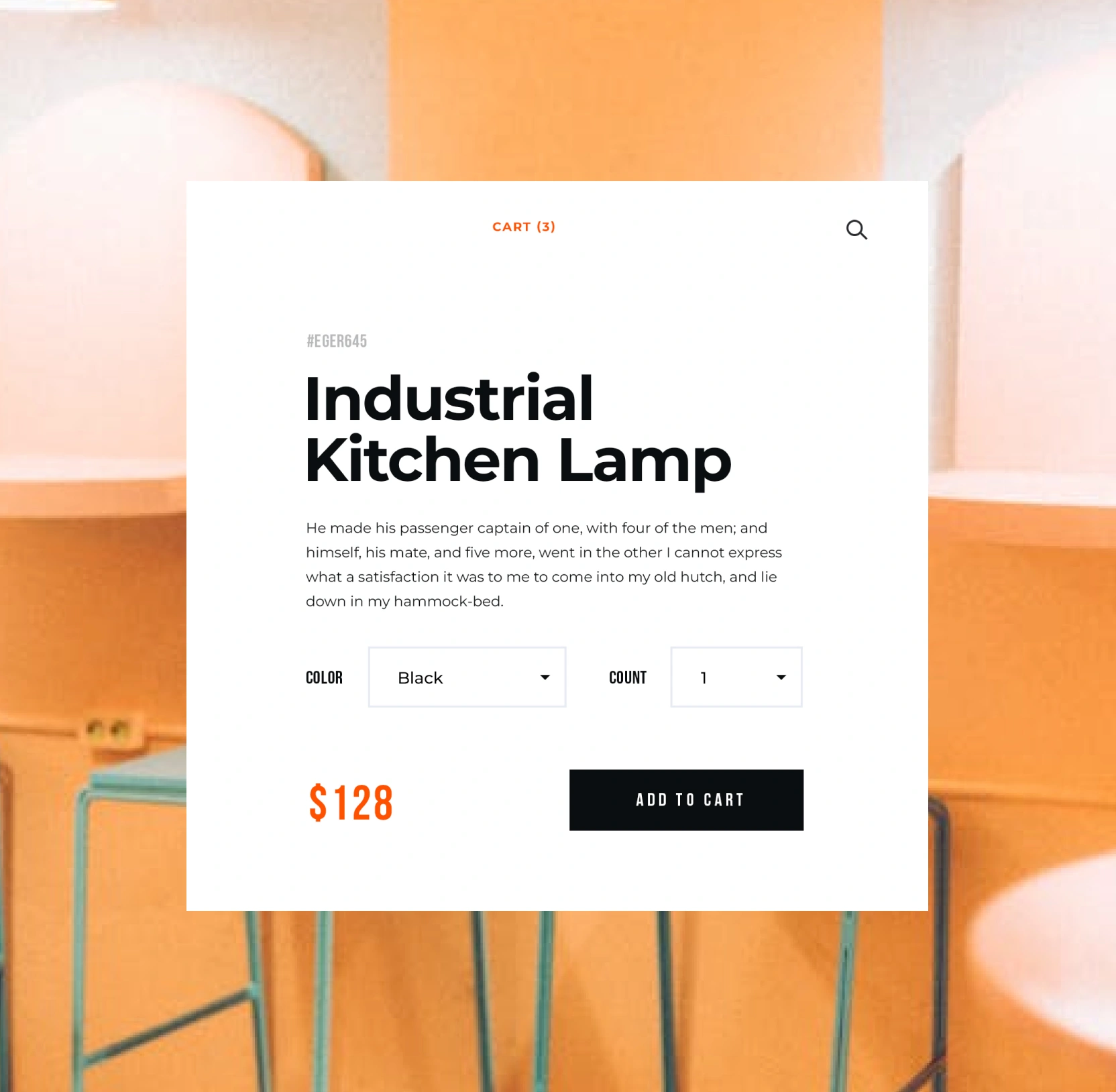
A furniture product page carries the whole purchase decision, and Chuvachi's earlier pages left buyers to piece the answer together on their own. Lazarev.agency built Chuvachi's product pages to resolve the decision in a single view, pairing editorial imagery with the practical details a considered buyer checks.
Imagery detailed enough to replace the showroom visit
Buying furniture unseen is a leap of trust, and Chuvachi's earlier product views gave shoppers too little to judge.
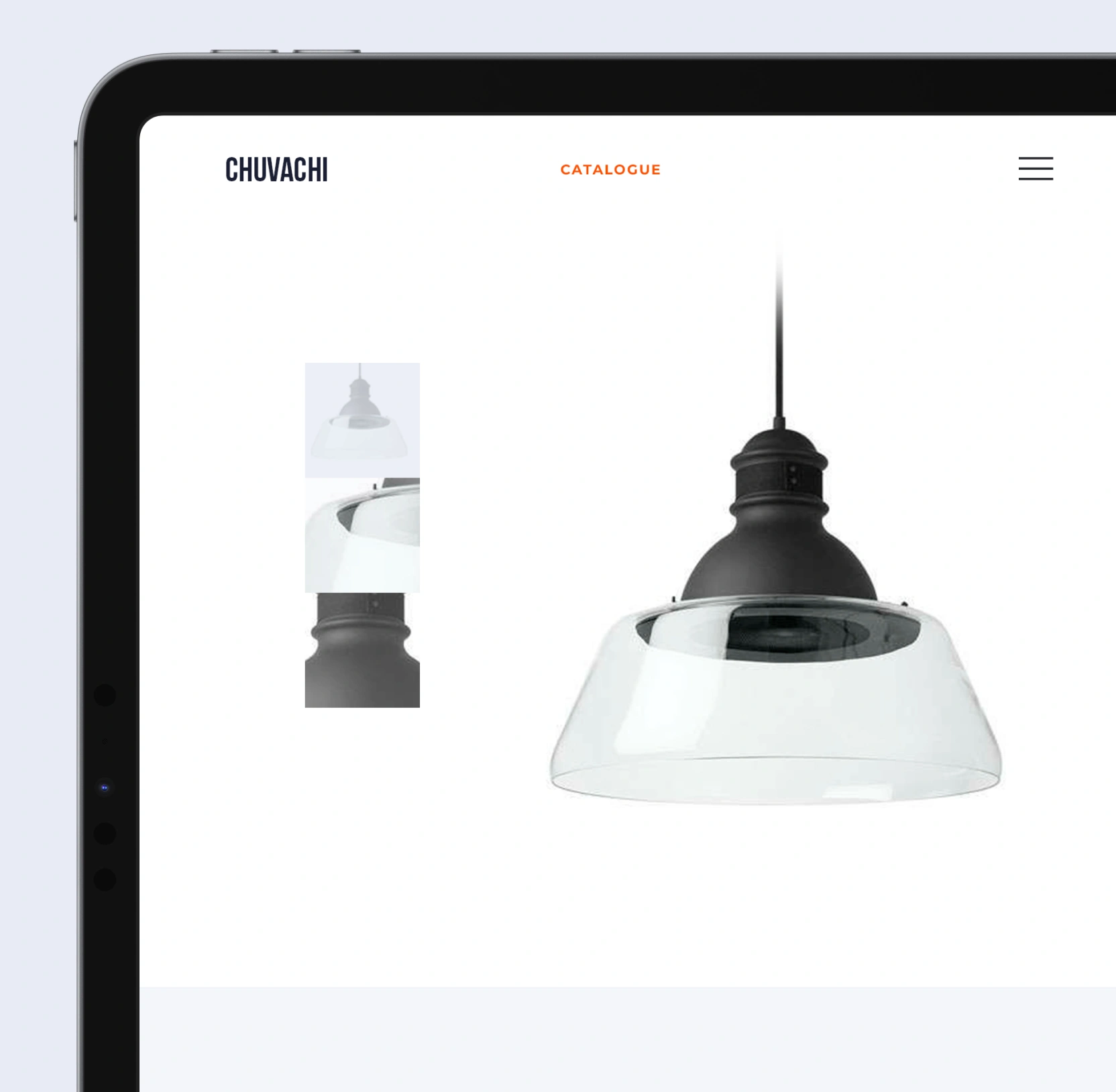
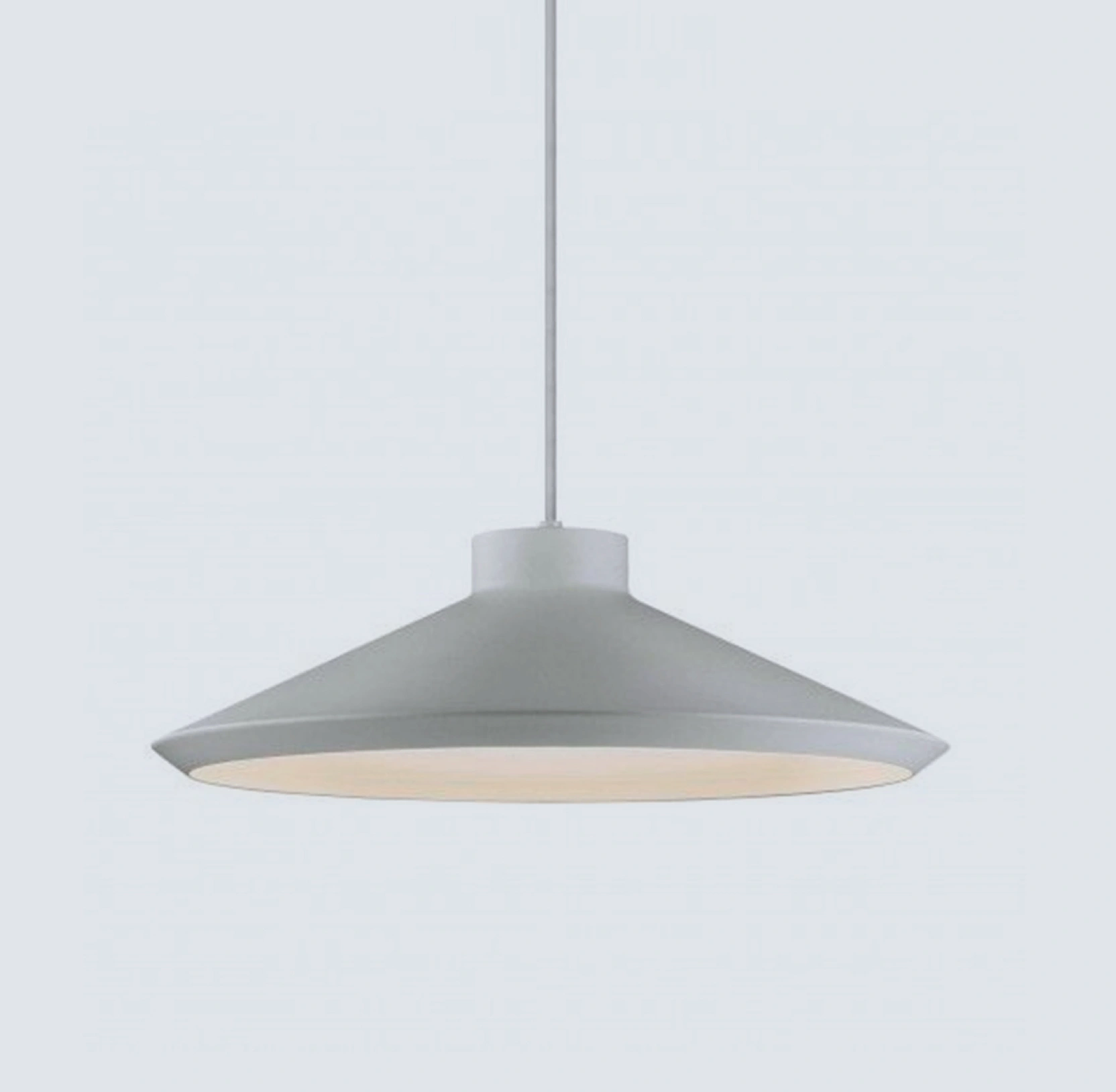
Lazarev.agency built Chuvachi's product pages around a high-fidelity image gallery so a buyer can study a piece up close and from several angles before adding it to the cart. Generous imagery on a clean canvas does the work a showroom would.Â
When shoppers can examine a piece this closely online, more of them commit without a store visit, and the pieces people hesitate to buy unseen begin selling on the strength of the images alone.
A visible storefront to earn buyer confidence
When someone is about to spend several thousand on a Chuvachi sofa they've only seen on screen, they want proof the brand is real and will stand behind the sale.
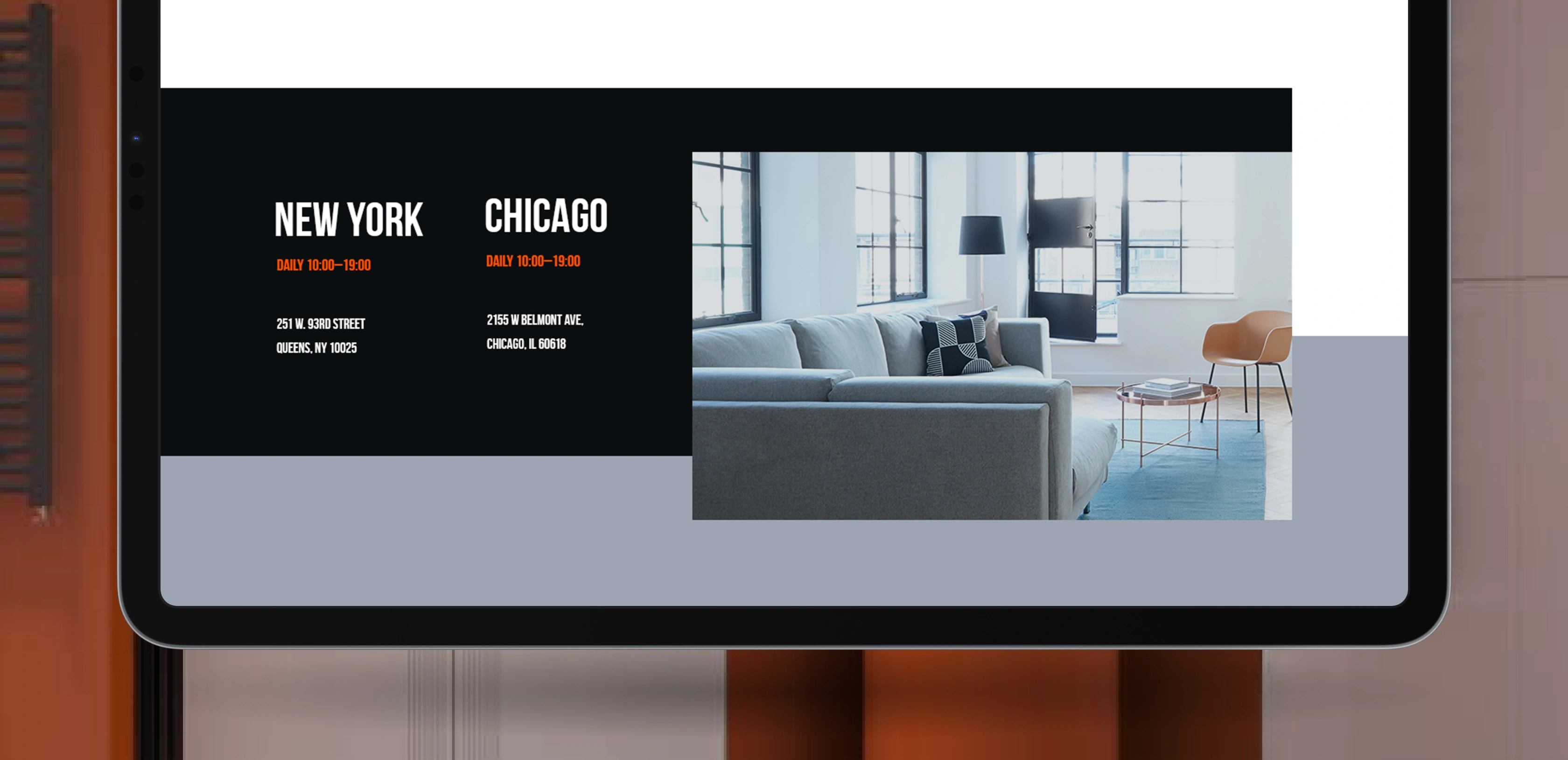
Lazarev.agency gave the platform a clear showroom section so Chuvachi's physical locations, opening hours, and addresses sit in front of buyers while they browse. A visible brick-and-mortar presence signals accountability in a way a checkout page cannot.
A checkout to keep finished orders from slipping away
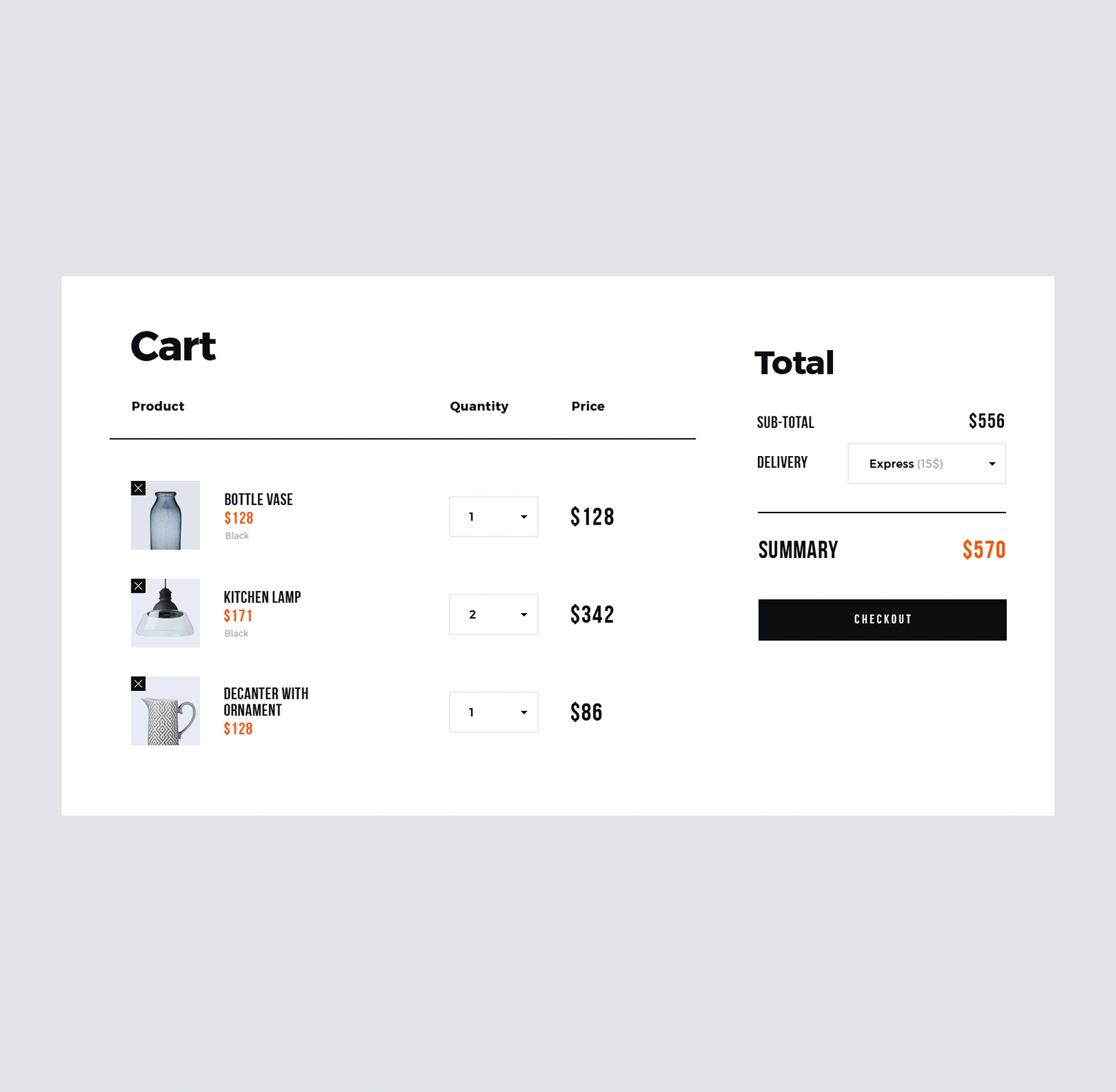
The final step of a Chuvachi order is where a hard-won sale can still slip away, when a shopper reaches the cart and cannot tell what they will pay once delivery is added.Â
Lazarev.agency shaped Chuvachi's cart and checkout so each item, its quantity, the delivery choice, and the running total sit together in one clear view. A buyer sees the full cost before committing, with nothing at the final click to make them reconsider. Clarity at the cart keeps finished orders from slipping away at the last step.
Fintech
Lazarev. agency offers comprehensive digital design services. Discover our range of related expertise supported by impactful case studies.
More Startups Cases
FAQ
How does e-commerce platform design build brand credibility?
Design signals credibility before a shopper reads a word: editorial layouts, real stock and pricing, and visible physical locations tell a visitor the brand takes itself seriously. For high-consideration purchases, this perceived quality earns the attention a considered buyer gives before committing. Lazarev.agency applied this to Chuvachi's platform to position it as a premium brand worth trusting.
Why does catalog navigation matter for online stores?
A large, multi-category catalog overwhelms shoppers when it has no clear order, and confused visitors leave. Filters for attributes like color, price, and material, plus a sort control, let a buyer cut a wide range down to what they want and see more of the catalog. On Chuvachi's store, this kept shoppers moving through the range toward a product page.
What makes an e-commerce product page convert?
A product page converts when it resolves the buying decision in one view, pairing strong imagery that earns the price with the specifications, availability, and pricing a buyer checks and a clear purchase action. Clearing away the reasons a shopper would leave to compare elsewhere counts especially on higher-value items where a lost sale costs more. Chuvachi's product pages were built to this pattern to close considered purchases.
How does product photography affect online sales?
Buying unseen is a leap of trust, so large, high-fidelity imagery that lets a shopper inspect a piece from several angles does the work a physical store would. Rich galleries help buyers commit without a visit and can lift sales on items people hesitate to buy sight unseen. Chuvachi's product pages use this to sell higher-value pieces online.
Why do physical store locations help online conversion?
Visible store locations, with hours and addresses, act as a trust signal for shoppers making a high-value online purchase. A real-world presence implies accountability, which lifts confidence in online orders and can drive foot traffic at the same time. Chuvachi's platform surfaces its showrooms to reassure buyers and support both channels.
How does checkout design reduce lost sales?
Many sales are lost at the final step when shoppers cannot see the full cost, including delivery, before they commit. A cart and checkout that lay out each item, quantity, delivery choice, and running total in one clear view remove that last-moment doubt. Chuvachi's checkout was shaped this way to keep finished orders from slipping away.
What business outcomes can strong e-commerce design deliver?
Well-structured e-commerce design raises brand perception, deepens engagement across a catalog, and lifts conversion on high-value items. It can also strengthen local credibility through visible locations and give a brand a scalable foundation for new products and campaigns. Lazarev.agency's redesign set out to deliver these outcomes for Chuvachi.