How our marketplace design helped Kingpin connect brands and retailers worldwide
Project:
the project
One marketplace built to connect brands with every kind of retailer
Kingpin connects brands and retailers worldwide through a single wholesale marketplace. The platform handles order management, product catalog uploads, and inventory control in one place.
As the business grew, the wholesale model became harder to serve in software. Brands sell to two kinds of buyers at once: retailers who shop an open marketplace, and direct partners who work under negotiated terms. Forcing both into one rigid system risks confusing buyers, slowing orders, and capping how far the platform can grow.
Kingpin partnered with Lazarev.agency to design a marketplace flexible enough to hold both models without splitting into separate products. Brands and retailers get a clear place to run complex B2B workflows, and Kingpin Global can keep adding partners and markets without rebuilding the platform.

The Project’s
Discovery Phase
Built a homepage for two audiences at once
A wholesale marketplace has to sell itself to two audiences with opposite goals: brands looking for buyers, and retailers looking for products. A single generic homepage leaves both unsure whether Kingpin is built for them, and uncertain visitors do not sign up.
We designed the homepage to split the choice at the door, with two clear paths alongside direct prompts to request a demo or sign up. Each visitor reaches a message written for their side of the marketplace, so more of the right people create accounts and fewer leave to work out where they belong.
Structured brand pages to win retailers faster
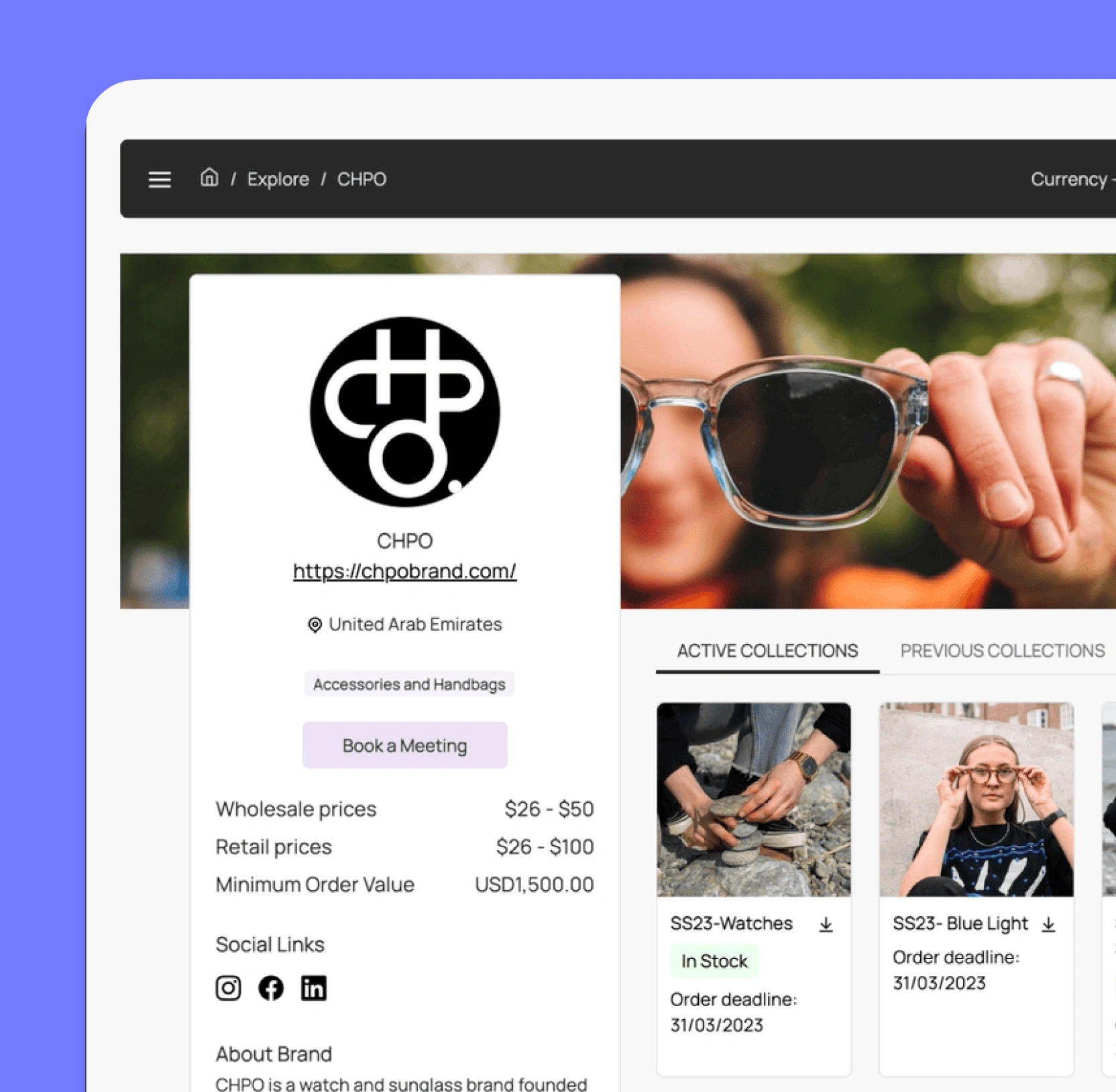
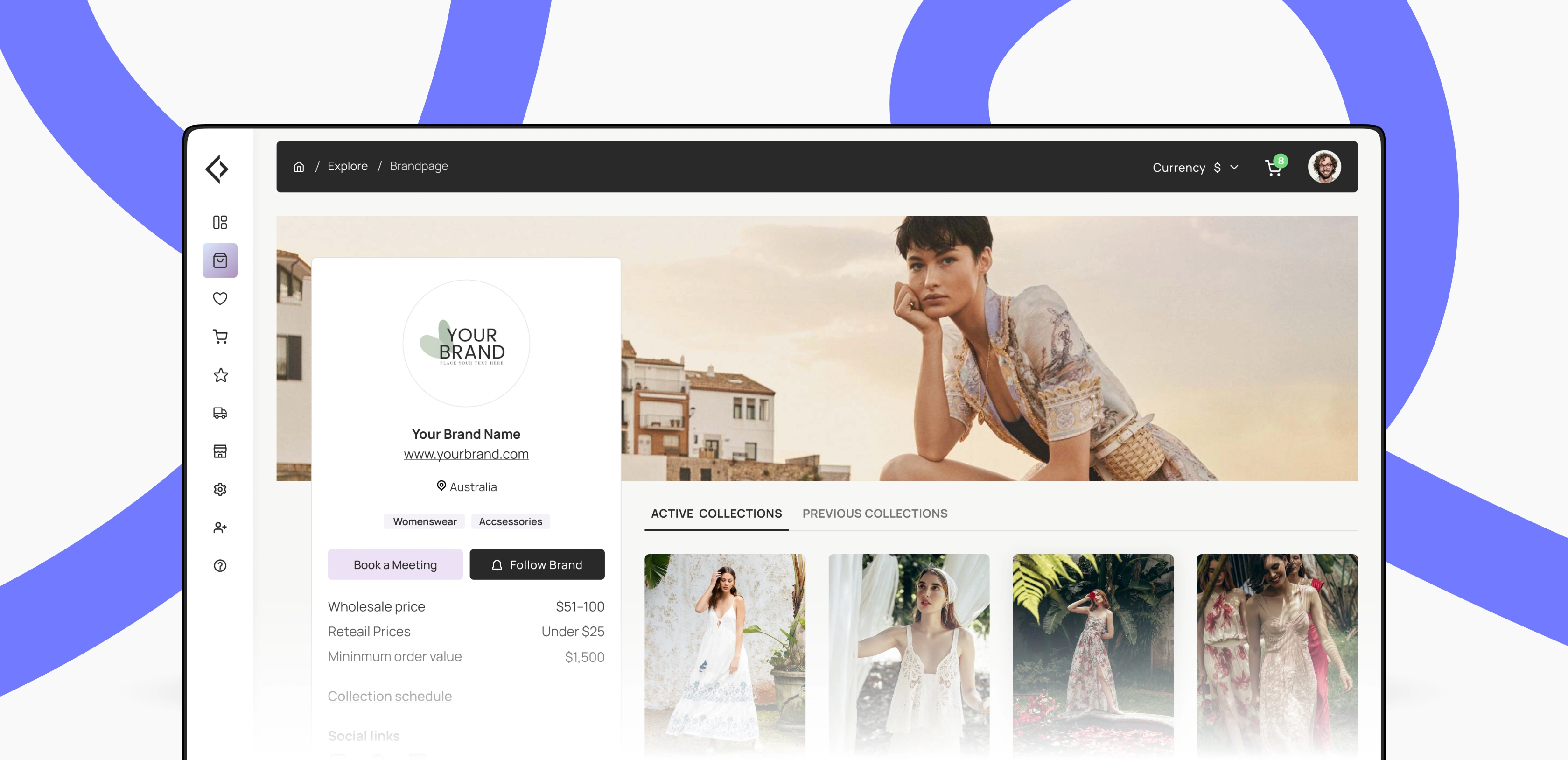
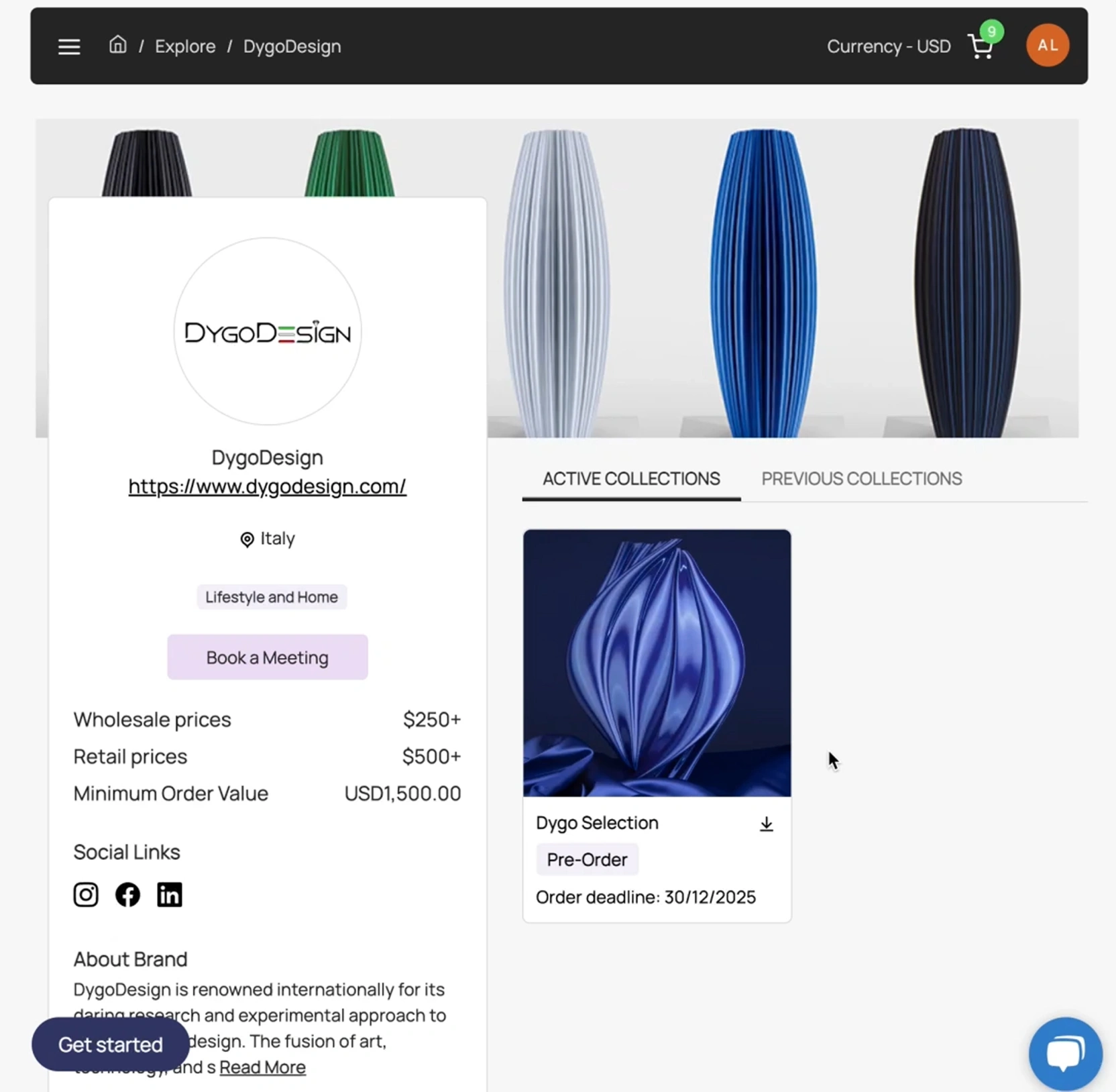
Before a retailer commits to a brand, they need to know fast whether it fits them: what it sells, the wholesale cost against the retail price, the minimum order, and when new collections drop. When those answers are spread across pages, retailers hesitate and brands lose the sale.
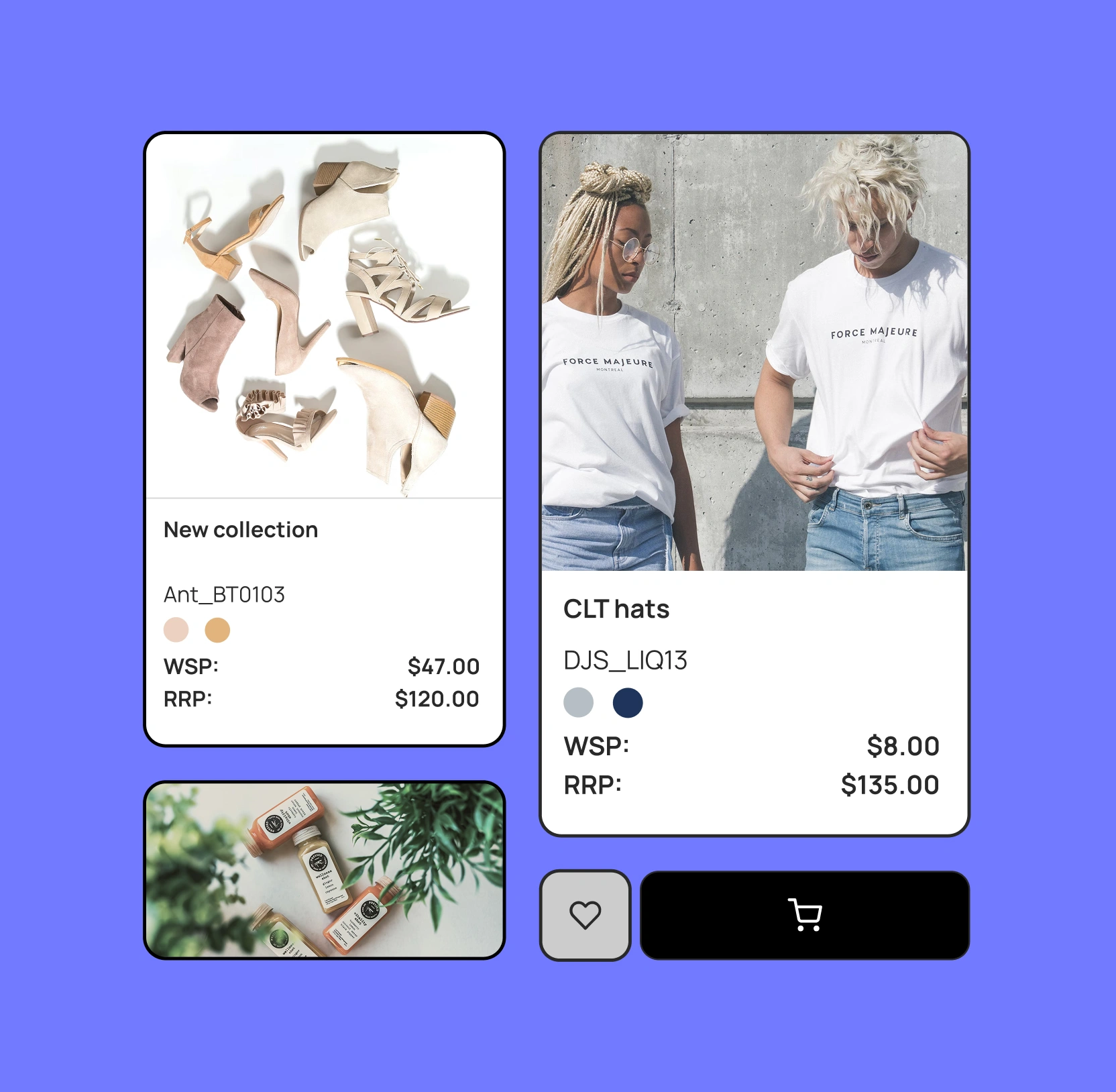
We designed the brand pages to hold everything in one view: category tags, wholesale and retail price ranges, minimum order value, and active and previous collections, with each product card showing its own wholesale and retail price. Retailers can follow the brand, book a meeting, or add products to the cart without leaving the page, so brands convert high intent clients into orders sooner.
Designed a dashboard to keep every deal on track
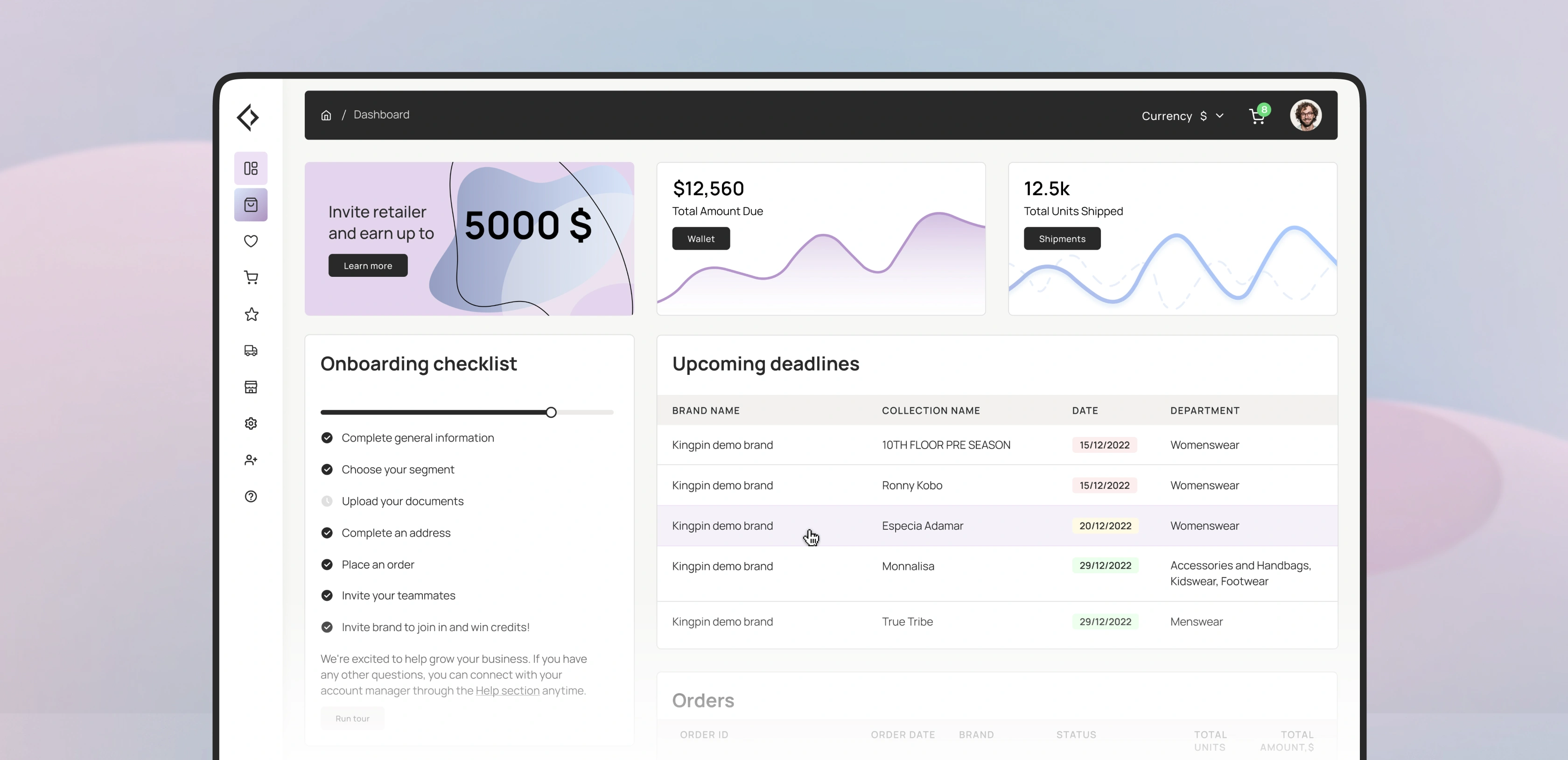
Wholesale runs on dates and dollars: collection deadlines, orders in progress, units shipped, and money owed. When those live in separate tools, people miss a deadline or lose track of what a partner owes, and deals slip.
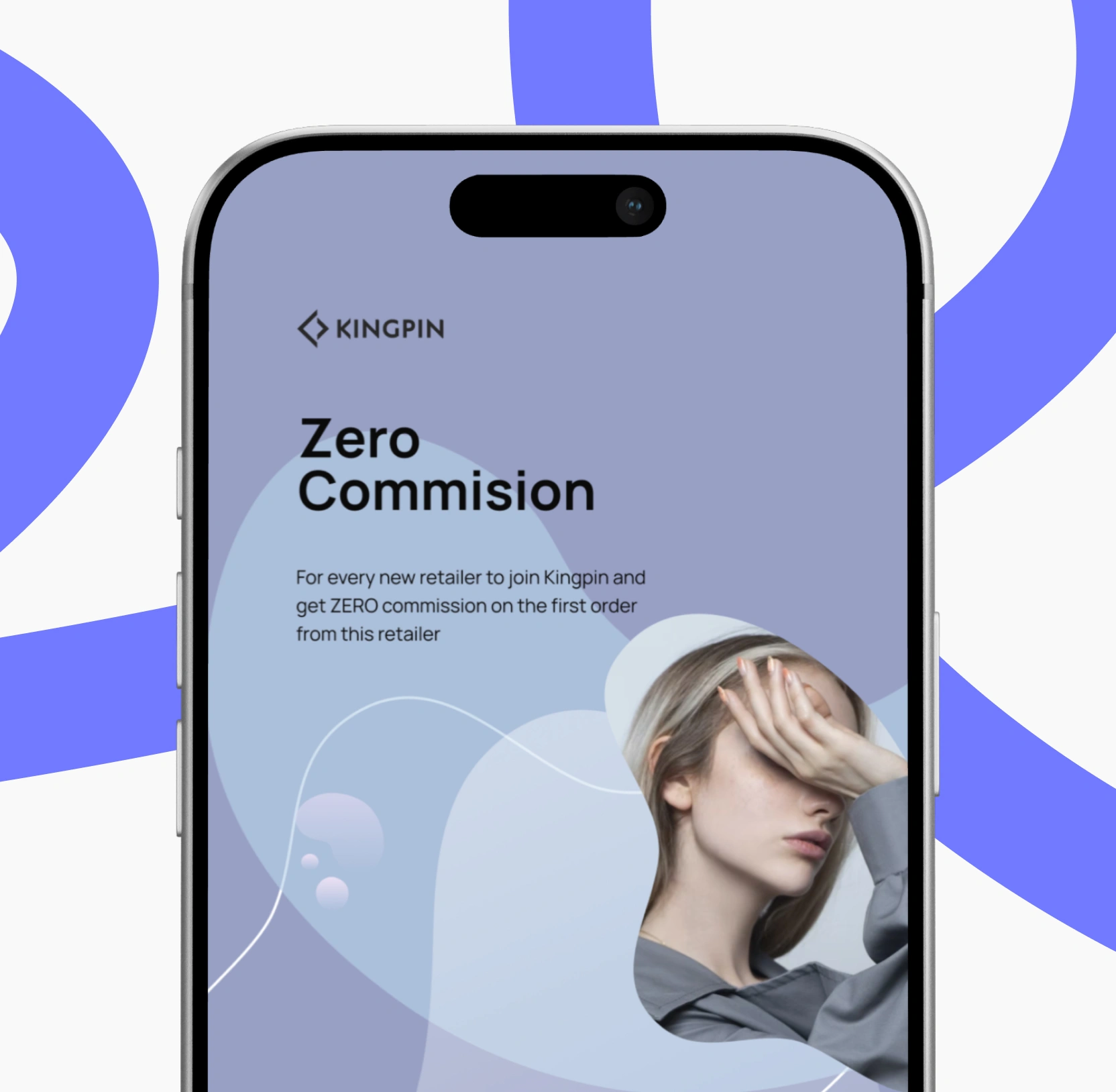
We designed the Kingpin dashboard as the home base for both brands and retailers, pulling all the key metrics into one screen, with an onboarding checklist and guided tour to get new users to their first order sooner. A built-in referral card rewards users for inviting retailers, with zero commission on a new partner's first order, so the marketplace grows from the people already on it.
How to design new customer onboarding that gets users to value fast?
Replaced email and spreadsheets with one ordering flow
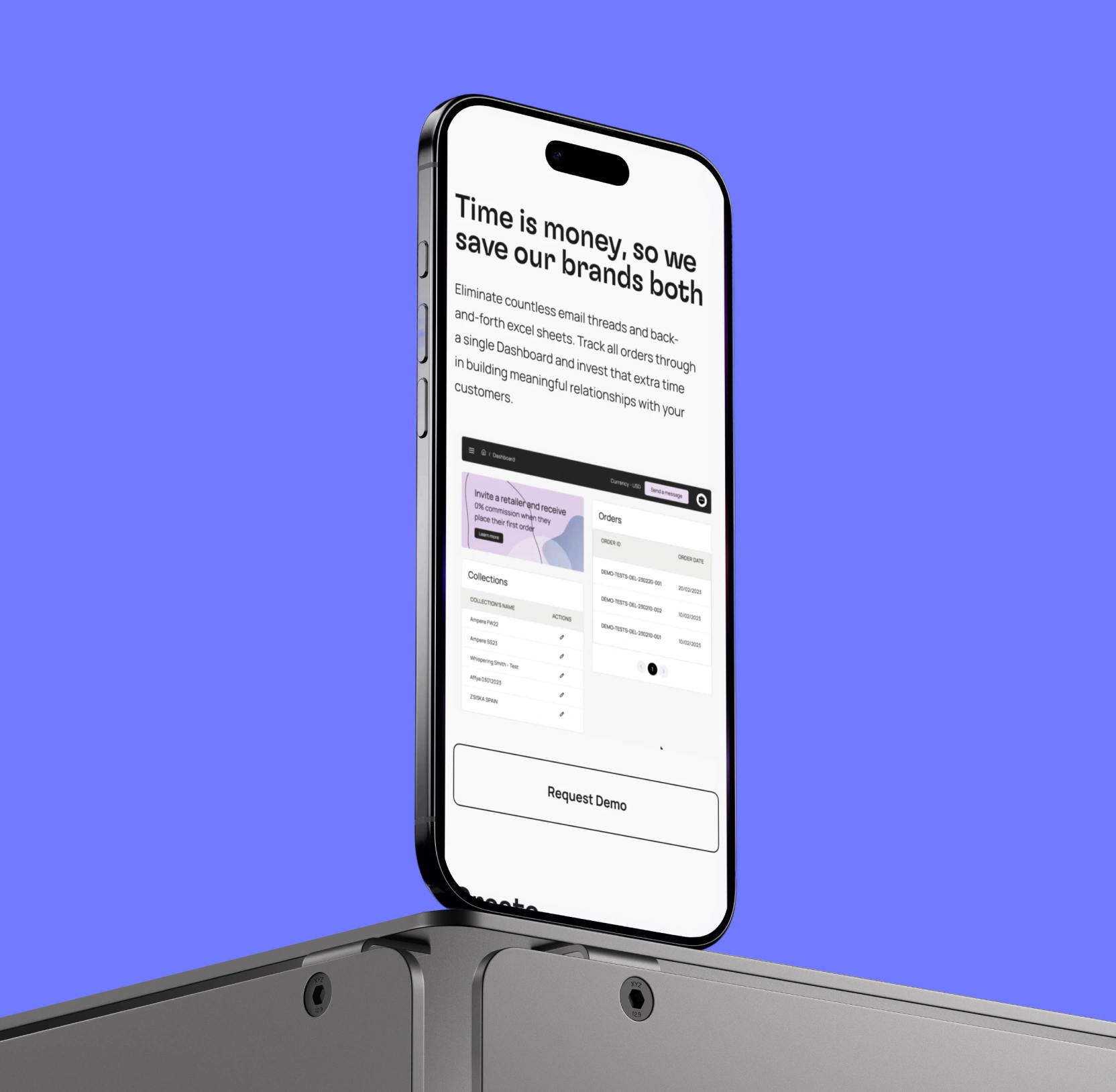
Wholesale ordering has long run on email threads and spreadsheets passed back and forth, where a missed message or a wrong cell costs an order.
Our team built ordering into Kingpin so retailers place and pre-order upcoming collections against clear deadlines, and both sides track every order in one dashboard. Brands no longer rebuild the picture from their inbox, and retailers lock in collections before they sell out. The time saved on chasing paperwork goes back into selling and into the relationships behind repeat orders.
Added a content hub to grow and keep an audience
A marketplace only earns when brands and retailers keep coming back, and paid ads alone make every new sign-up expensive.
We built a blog into Kingpin, where useful content draws in people searching for wholesale answers and gives existing members a reason to return between orders. Kingpin grows into the place to learn the business, and the cost of winning each new customer drops.
AI & ML
Lazarev. agency offers comprehensive digital design services. Discover our range of related expertise supported by impactful case studies.
More Scaleups Cases
FAQ
What defines effective wholesale marketplace platform design?
Effective design connects brands and retailers in one scalable B2B system, and it is judged by how fast it moves a buyer from discovery to a placed order. The essentials work together, not as bolted-on modules: catalog management, order and pre-order processing, inventory control, and analytics on one data layer. The real test is whether a retailer can find a brand, read its margins and terms, and order without leaving the platform or opening email.
How can digital platforms improve wholesale operations?
They replace email threads and spreadsheets with a single record every party can see. Orders, deadlines, shipments, and amounts due live in one dashboard, so fewer orders are missed and disputes drop. Real-time data also lets brands plan production and lets retailers reorder before they sell out, which protects revenue on both sides.
What features are essential in a wholesale B2B platform?
At minimum: catalog uploads, inventory tracking, order and pre-order management with collection deadlines, retailer discovery and brand pages, an analytics dashboard, secure payments, and multi-currency support for cross-border trade. For a marketplace serving more than one retailer type, add role-based access so marketplace buyers and direct partners each see terms built for them.
How should multiple retailer models be structured within one platform?
Use a modular structure where marketplace retailers and direct partners work in distinct but connected spaces. Each model carries its own pricing, terms, and permissions while sharing the same catalog and order engine. This keeps the experience right for each audience and avoids the cost of building and maintaining two separate products.
Why is UX important in B2B wholesale platforms?
B2B workflows are complex and the buyers are professionals spending real budgets, so a confusing interface sends them back to email and familiar suppliers. Clear navigation, structured dashboards, and well-built ordering tools help buyers finish tasks faster and with fewer mistakes, which directly affects how many visits end in orders. In a marketplace, UX is a growth lever, not a finishing touch.
How does analytics improve brand–retailer collaboration?
Shared data shows demand trends, sales performance, and how well a partnership is working. Brands see which collections move and where, retailers see what sells through, and both adjust pricing and inventory on evidence, not guesswork. Over time this builds one-off orders into planned, repeating business.
What business value does strong wholesale marketplace platform design deliver?
Strong design speeds up transactions, widens global reach, and makes operations clearer for everyone, but the business case is sharper than that: more sign-ups convert, more visits end in orders, acquisition costs fall as content and referrals bring people in, and a scalable base supports new partners and markets without a rebuild. For a platform deciding where to invest, design is what ties all of this to revenue.