in UI/UX design
Customer experience design agency
We build digital experiences around how your customers think and behave. Customer experience services focused on measurable outcomes: higher engagement, stronger brand loyalty, repeat usage.
- Personalization reducing customer effort
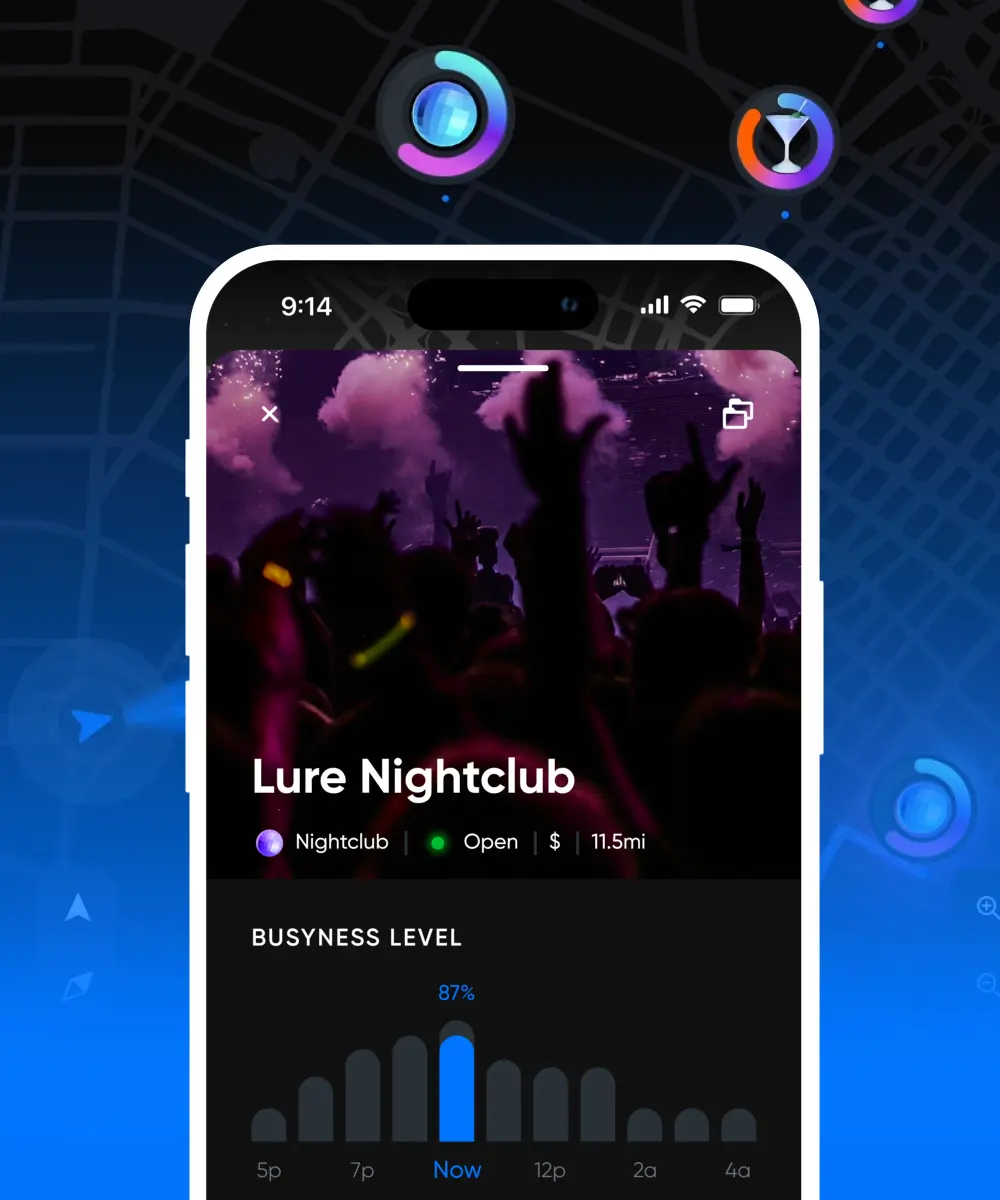
We build adaptive experiences based on user preferences and behavior. For Mappn, we created advanced filters for different segments: people seeking loud music versus quiet bars with good company. Personalized recommendations became a retention foundation because we understood diverse customer preferences. - Segmented onboarding adapting to customer goals
Different customers need different starting points. We design onboarding flows asking the right questions to personalize platform setup. For LevelAll, extensive interviews and surveys revealed how to structure onboarding questions effectively. Platform adapted based on customer type and goals from first interaction. - Self-service reducing support dependency
People prefer solving problems themselves over contacting support. For EllipX crypto platform targeting newcomers, we reduced support tickets through contextual guidance. Advanced users found processes obvious but beginners needed this support built into customer experience. - Community features deepening engagement for social users
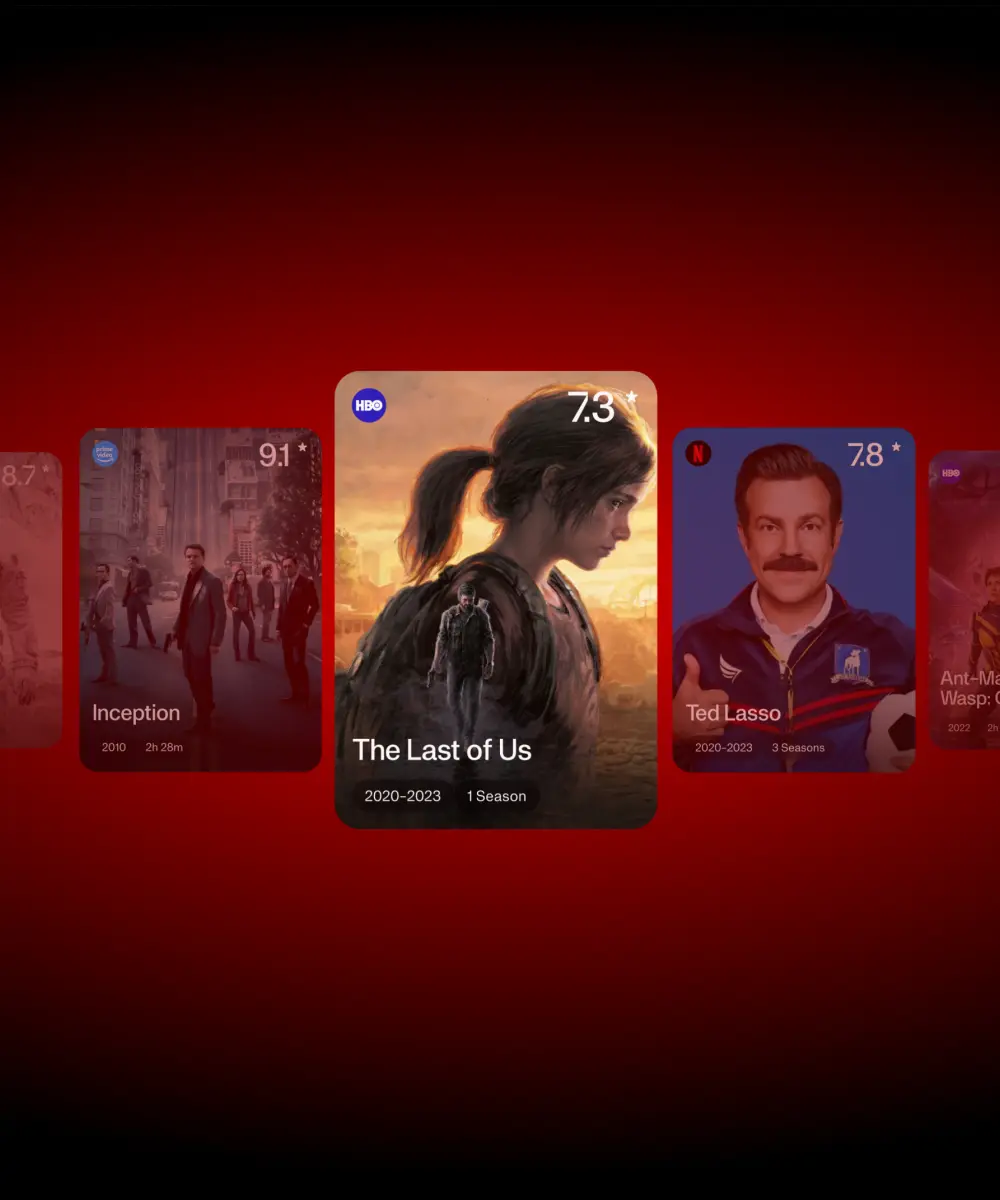
Some customers want functional tools. Others seek community connection. For Streamingbar, we added social mechanics: messaging, news feed about films, interactive user stats. Community effect created deeper interaction for engaged film enthusiasts who valued social aspects alongside content discovery.
for our clients
our excellence
of experience
& Recognition
Our team’s work was honored with most of the world-known trophies
When poor customer experience design loses revenue
Most businesses know customers leave frustrated. See where weak customer experience services cost money and damage brand loyalty.
Single experience failing diverse customer segments
Your platform treats all users identically. Power users get frustrated by hand-holding. Beginners get overwhelmed by complexity. Some customers prioritize ambiance, others location, others specific amenities.
Company-centric navigation confusing customers
The site structure mirrors departments and internal processes. Customers searching for their problem can't find solutions. Restructuring around customer journeys improved findability immediately.
Complex processes with no guidance losing beginners
Your platform assumes expertise customers don't have. Advanced users completed tasks easily but beginners needed contextual support preventing errors.
Generic onboarding missing personalization opportunities
Every new user sees an identical welcome flow regardless of goals, expertise, or use case. Generic flow means missed personalization from first interaction.
How we deliver customer experience design services
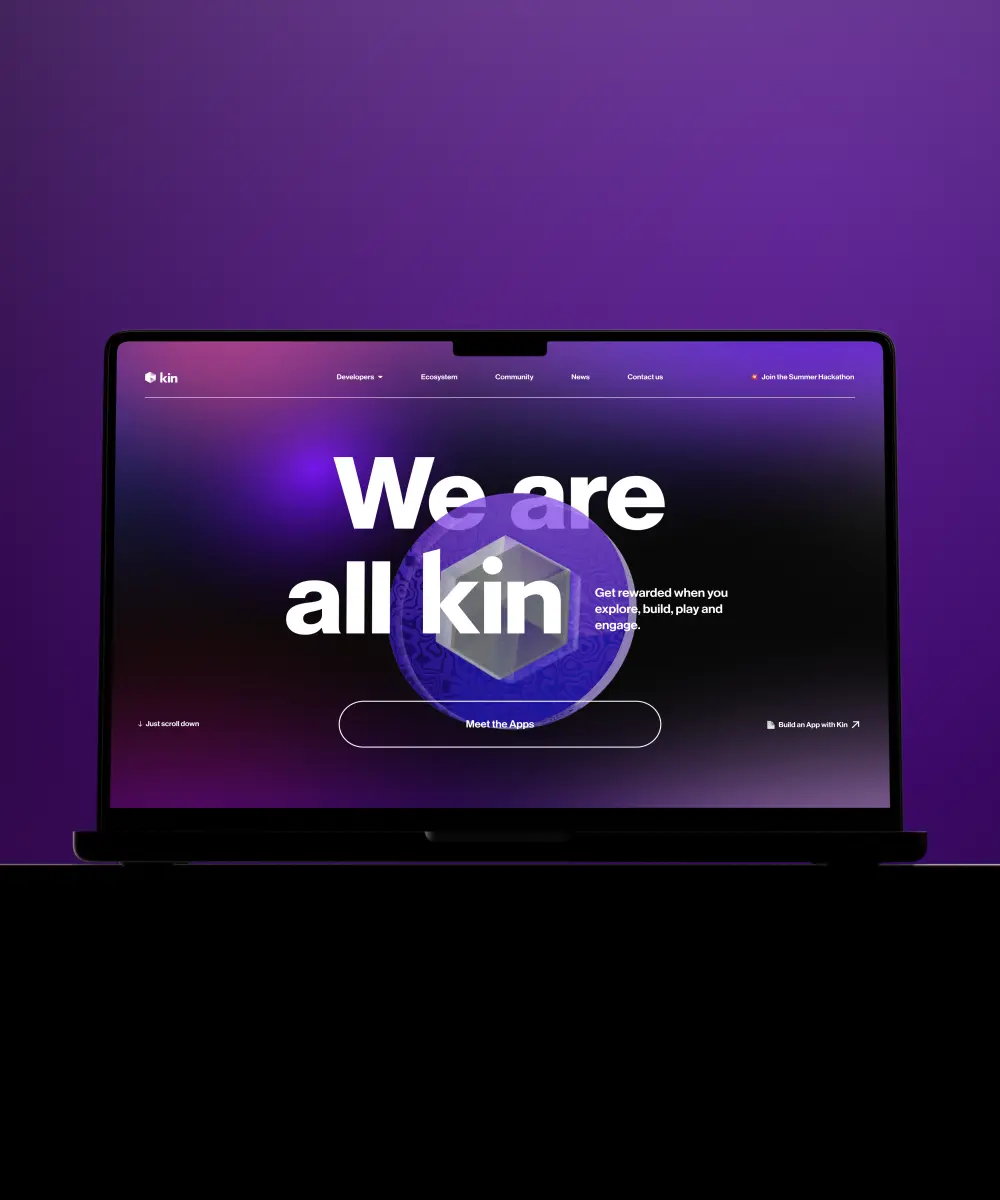
We've built digital platforms, like Kin, where website traffic and engagement jumped 2x through customer-centered redesign.
Research actual customer behavior before designing
Our team interviews diverse user segments, runs user testing sessions, and analyzes behavior data. This research shapes personalized onboarding and platform adaptation.
Segment customers by just behavior
Age and location matter less than how people use your product. We identify behavioral segments: explorers versus efficiency seekers, social users versus private users, beginners versus experts.
Map complete customer journey identifying friction
We document the entire experience from awareness through repeated usage. What triggers a first visit? Where do customers get stuck? What brings them back?
Design adaptive experiences serving different needs
One interface, multiple pathways. We build personalization based on customer type, goals, expertise level.
Digital experiences we've built around customer needs
We've worked with companies transforming generic platforms into personalized customer experiences.
What our clients say about our customer experience work
Satisfied clients from fintech, education, entertainment sectors tell us what made the difference.
"We've been working with Lazarev. since the very series seed to series B stages of our product. It's amazing how they always research and find ideas that exceed our own initial envision!"
"Lazarev.agency is a top tier design firm with focused execution and a team that's genuinely collaborative and iterative. We couldn't have asked for a smoother experience."
Industries we work with for customer experience design
We specialize in digital platforms where customer experience directly affects business growth and brand loyalty.
Who we are and why teams like yours work with us
We exist for B2B teams under pressure to turn an AI roadmap into visible product usage, expansion, and a safer story in front of the C‑suite and investors. If design isn’t moving revenue, adoption, or retention, it’s decoration. We design to avoid that. Since 2015, we’ve shipped 600+ products and earned 120+ awards for work on complex, data-heavy tools: fintech platforms, AI copilots, decision engines, and vertical SaaS. Our work has helped clients turn “we have AI features” into “our customers actually use and pay for them.”
We started designing AI products in 2017, long before “AI-native” became a buzzword. With 30+ AI products shipped, we focus on the hard part most teams struggle with: making complex intelligence feel simple, trustworthy, and obviously valuable in a demo, a POC, or a QBR. We’re a 40+ person team of UX strategists, product designers, and analysts who treat design as a business function. Every engagement is anchored to the metrics you care about: AI feature adoption, activation and retention in key accounts, time-to-decision in core workflows, and upgrade/expansion tied to AI-powered plans.
in UI/UX design
industry awards
successfully completed
We operate on a simple principle: if you're not measuring design against business outcomes, you're wasting money.
What sets us apart from a typical agency or a single in-house hire is pattern recognition at scale. We’ve seen what works – and what quietly kills adoption – across hundreds of AI and data-heavy products. That lets us spot failure modes early, bring proven interaction patterns to your team, and reduce the risk that your next AI release is another unused toggle in a settings menu.
We start with research not because it’s “best practice,” but because designing without understanding your users, your market, and your revenue model is just guessing with nicer pixels. From there, we collaborate with your product, AI, and design leaders to define where AI should show up, how it should behave, and how to make it obvious, safe, and monetizable.
If you’re a Head of AI, Product, or an AI-native founder who needs AI capabilities to be seen, understood, and used now, not someday, we’re built to be that partner.
Our process from research to optimized customer experience
We combine design thinking with data-driven insights.
Every customer experience decision ties back to research and business strategy.
Discovery and customer research
We start by understanding your business vision, customer segments, and current experience performance. Competitive analysis reveals industry practices. This foundation shows who your customers are and what they value.
Experience strategy and personalization design
Define how to serve different customer segments. Information architecture matching mental models, adaptive onboarding flows, personalized recommendations, segment-specific features. Create interactive prototypes for key journeys.
Detailed design and brand experiences
We design a complete customer experience across all touchpoints. Visual design systems, interaction patterns, content strategy, community features where appropriate. Balance brand identity with usability.
Implementation support and quality assurance
Our experienced team works with your development during build. We review implementations, answer questions about personalization logic, ensure experience quality, and test across customer segments and platforms.
Launch and continuous optimization
Launching a product without clear metrics leaves teams guessing what works. So, our designers define success metrics for each user segment and track them through proper analytics. Then, we turn those insights into clear improvements for the next iterations.
Share your project idea with us!
FAQ
What's the difference between customer experience design and UX design?
UX design focuses on usability and interface interactions. Customer experience design covers complete relationships: awareness, consideration, onboarding, usage, retention, support. We optimize the entire customer journey. For Dynascale, restructuring around buyer journeys meant rethinking content strategy and site architecture.
How do you identify different customer segments?
We analyze behavior patterns. Interview diverse users, study usage data, identify common goals and pain points. For Mappn, behavioral segmentation revealed venue preferences beyond basic categories. Some customers prioritize ambiance, others convenience, others specific amenities. These behavioral differences drive personalization strategy.
Do you work with existing products or only new launches?
Both. Many clients have functioning platforms needing customer experience optimization. We audit current experience, identify friction points, redesign around customer needs. For EllipX, adding contextual guidance to existing crypto processes reduced support tickets without rebuilding core functionality.
How do you balance personalization with development complexity?
Smart personalization doesn't require rebuilding everything for each segment. We identify key moments where adaptation matters most: onboarding, recommendations, help systems, feature visibility. For LevelAll, personalized onboarding questions enabled platform adaptation without creating separate experiences for each customer type.
What's included in customer journey mapping?
Complete documentation of user experience from awareness through retention. Touchpoints across channels, decision moments, emotional states, friction points, opportunities. Maps for different customer segments showing unique needs. This strategic foundation reveals where experience improvements drive the biggest business impact.
How do you measure success for customer experience improvements?
We track segment-specific metrics: activation rates after personalized onboarding, retention for different customer types, feature adoption, support ticket reduction, satisfaction scores. For Streamingbar, success was deeper engagement among social users after adding community features. Define metrics during discovery, measure throughout the project.
Why invest in customer experience design instead of adding more features?
Features don't matter if customers can't use them effectively or they don't match needs. Mappn succeeded through personalized recommendations. EllipX reduced abandonment through contextual guidance. Customer experience design ensures the platform serves actual customer needs, making existing functionality more valuable.
How do you handle continuous optimization after launch?
We establish a measurement framework, set up feedback collection, and plan regular usability testing. Our team analyzes data quarterly, identifies optimization opportunities, prioritizes improvements based on business impact. Customer experience requires ongoing attention as customer needs and competitive landscape evolve. One-time design doesn't maintain excellence long-term.