Strategic e-commerce redesign fuels explosive growth for electric skateboard brand, leading to a successful company sale.
Riptide, the bold electric skateboard brand known for fusing power and serenity, turned a web redesign into a half-million-dollar success story. Just two months after launching their new website crafted by Lazarev.agency, Riptide hit $500K in sales and exited the market through a successful acquisition.
A Brand Rooted in Speed, Freedom, and Design Precision
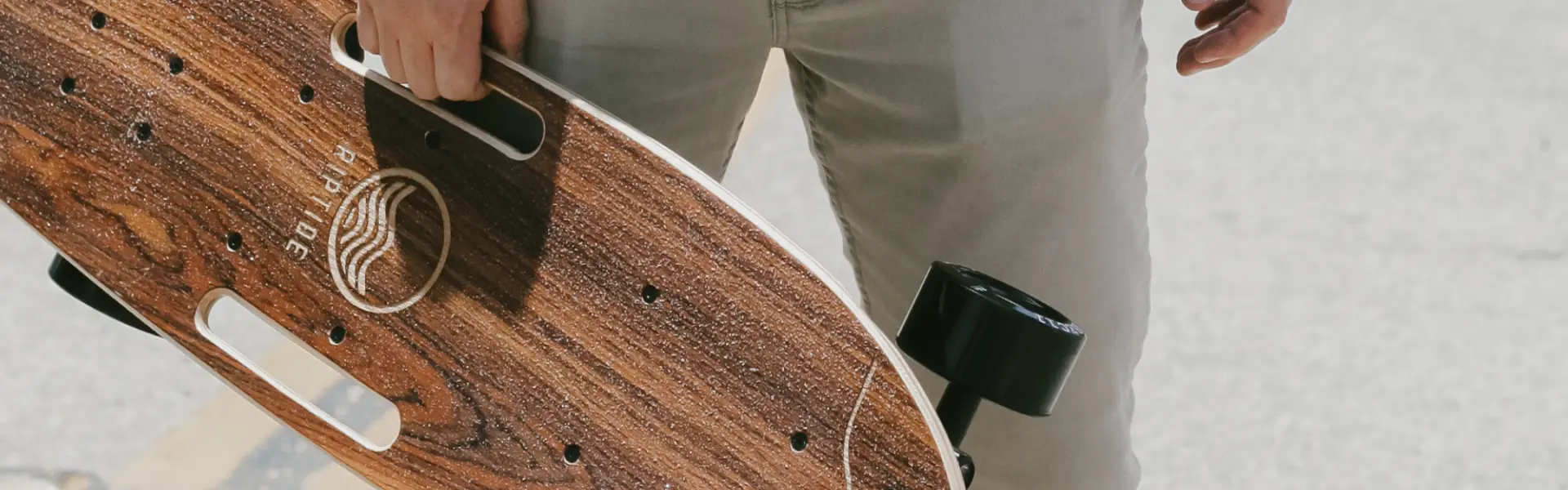
Riptide entered the competitive mobility market with a clear edge: electric skateboards that were high-performance, affordably priced, and emotionally resonant. The brand promised freedom and boldness with every ride and needed a digital experience to match.
Ahead of their New Year’s sale, Riptide partnered with Lazarev.agency to rethink their entire e-commerce design solutions. We set out to build trust and increase sales while preserving what made Riptide stand out — its unapologetic, free-spirited identity.
E-commerce Needs Emotion-Driven Design
Rather than lean on traditional e-commerce industry principles, Lazarev.agency took a narrative-first approach to the site experience. The new site architecture was based on a clean, cinematic flow that brought the product’s emotional payoff — freedom, confidence, motion — into the spotlight.
- A modern visual system incorporated bold blues, open negative space, and fluid transitions to mimic the experience of riding.
- A cinematic content approach replaced cluttered product carousels with immersive full-width visuals and scroll-triggered video loops.
- The grid was deliberately unconventional, echoing the brand’s anti-ordinary positioning while maintaining usability and mobile performance.
“This approach wasn’t about showcasing specs. It was about capturing a lifestyle. We wanted the site to feel as smooth and bold as the ride itself.”
{{Anna Demianenko}}
Removing Friction from the Buying Journey Was the Key Task
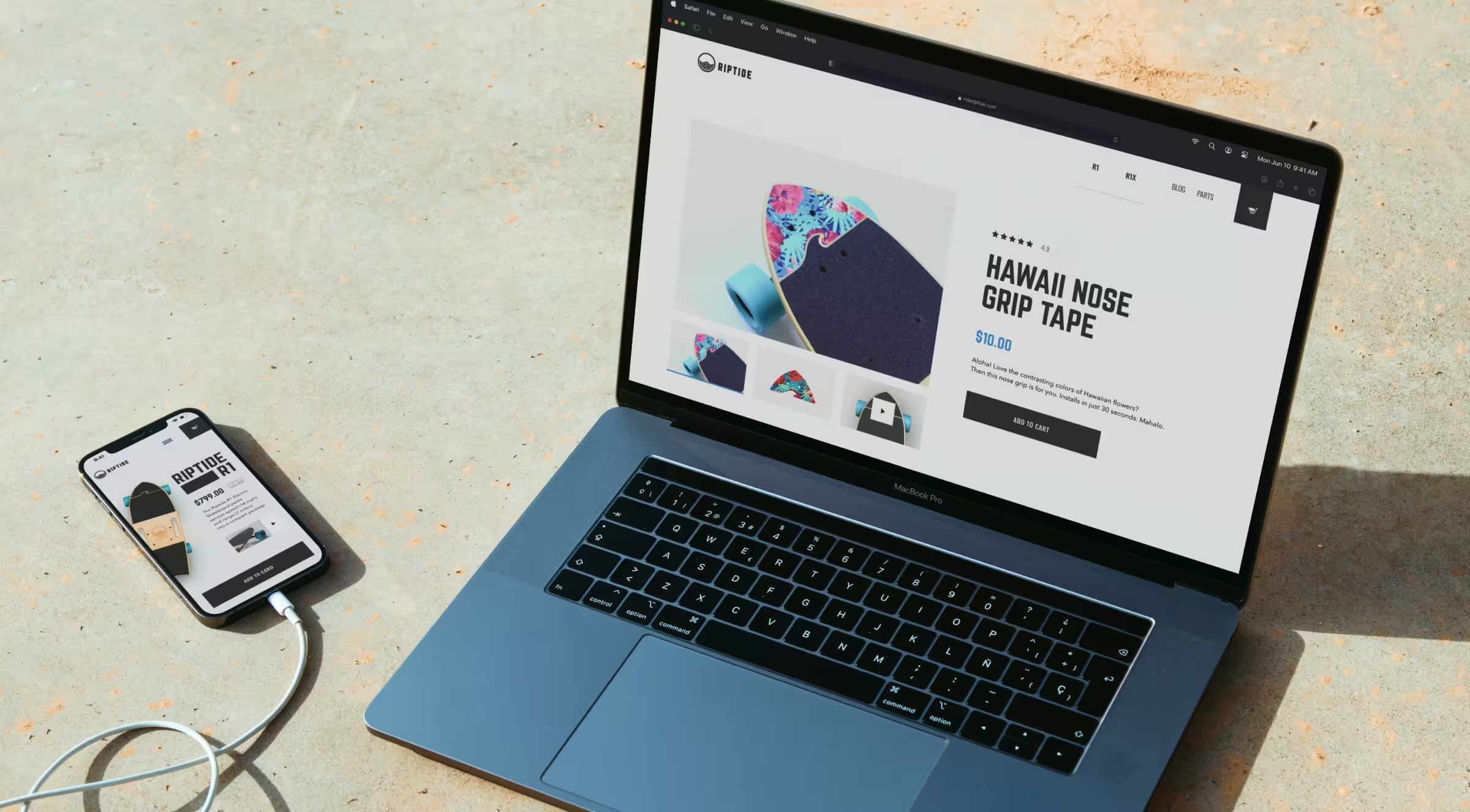
We redesigned product navigation with side-by-side comparison, helping users quickly choose between the R1 and the high-performance R1X. On individual product pages, visual hierarchy and dynamic media helped buyers understand key benefits such as full customization options, specs, delivery info, and package contents.
Results: Half a Million in Sales, Followed by a Strategic Exit
The payoff was immediate. Within two months of launch, Riptide sold out $500,000 in products. More than a seasonal lift, the results showed that the digital product strategy successfully translated lifestyle branding into revenue impact.
With the success achieved with the website redesign, Riptide’s leadership made their next bold move: selling the company. The sale capped a chapter defined by design-led growth and left a blueprint for other DTC brands seeking traction in competitive markets.
When Design Becomes a Growth Lever
Riptide’s trajectory underscores a modern reality: a great product is not enough. Experience design rooted in emotion, strategy, and user flow can define a brand’s trajectory just as much as hardware or price. In Riptide’s case, it didn’t just sell skateboards but successfully sold the company.