How a Web3 platform redesign drove 120% traffic growth and boosted user engagement
Project:
the project
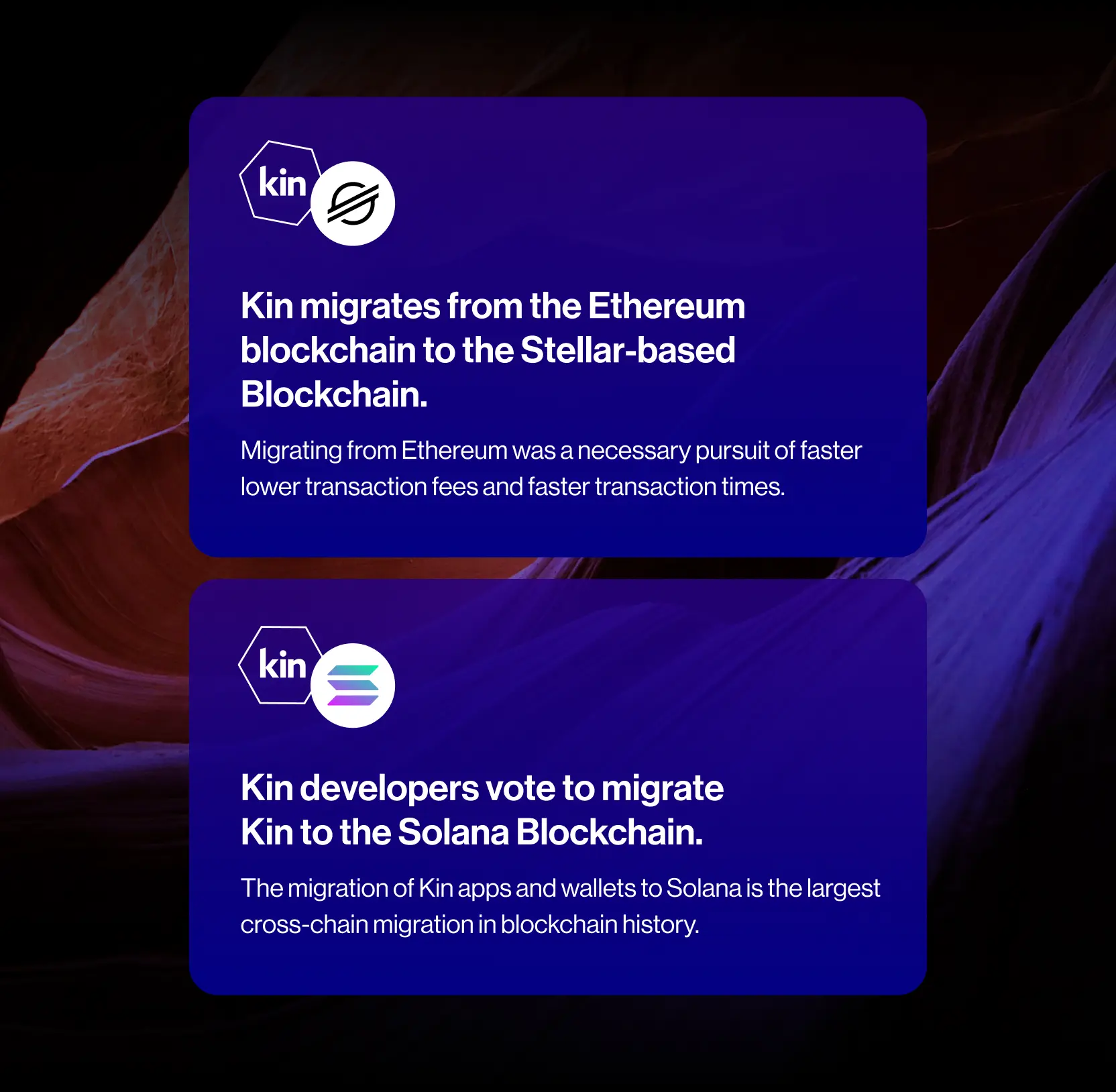
Kin Foundation’s 5-year-old Web3 platform struggled with usability issues, fragmented content, and a lack of developer-friendly tools. With the growth of the blockchain space, Kin needed a web3 platform redesign that would simplify the user journey, optimize developer onboarding, and increase content discoverability.
Lazarev.agency was tasked with creating a sleek and modern design that would address these challenges and improve the platform’s overall user and developer experience. As part of the redesign, the primary objective was to craft an ecosystem where both users and developers could seamlessly engage with Kin’s tools and services.
Lazarev.agency delivered a Web3 platform redesign that dramatically increased user traffic, streamlined navigation, improved retention, and expanded integrations with major platforms.
increase in organic traffic, indicating strong user interest and engagement.
reduction in user journey time, making it easier for users to navigate the platform and take action.
boost in new user retention, reflecting the effectiveness of the simplified and more engaging platform.
new integrations with major e-commerce and ad platforms, significantly extending Kin’s reach.

The Project’s
Discovery Phase
Simplified user experience for increased engagement
One of the key priorities of the redesign was to create a more intuitive and accessible user experience. The platform’s original navigation was cluttered, and users had difficulty finding relevant information.
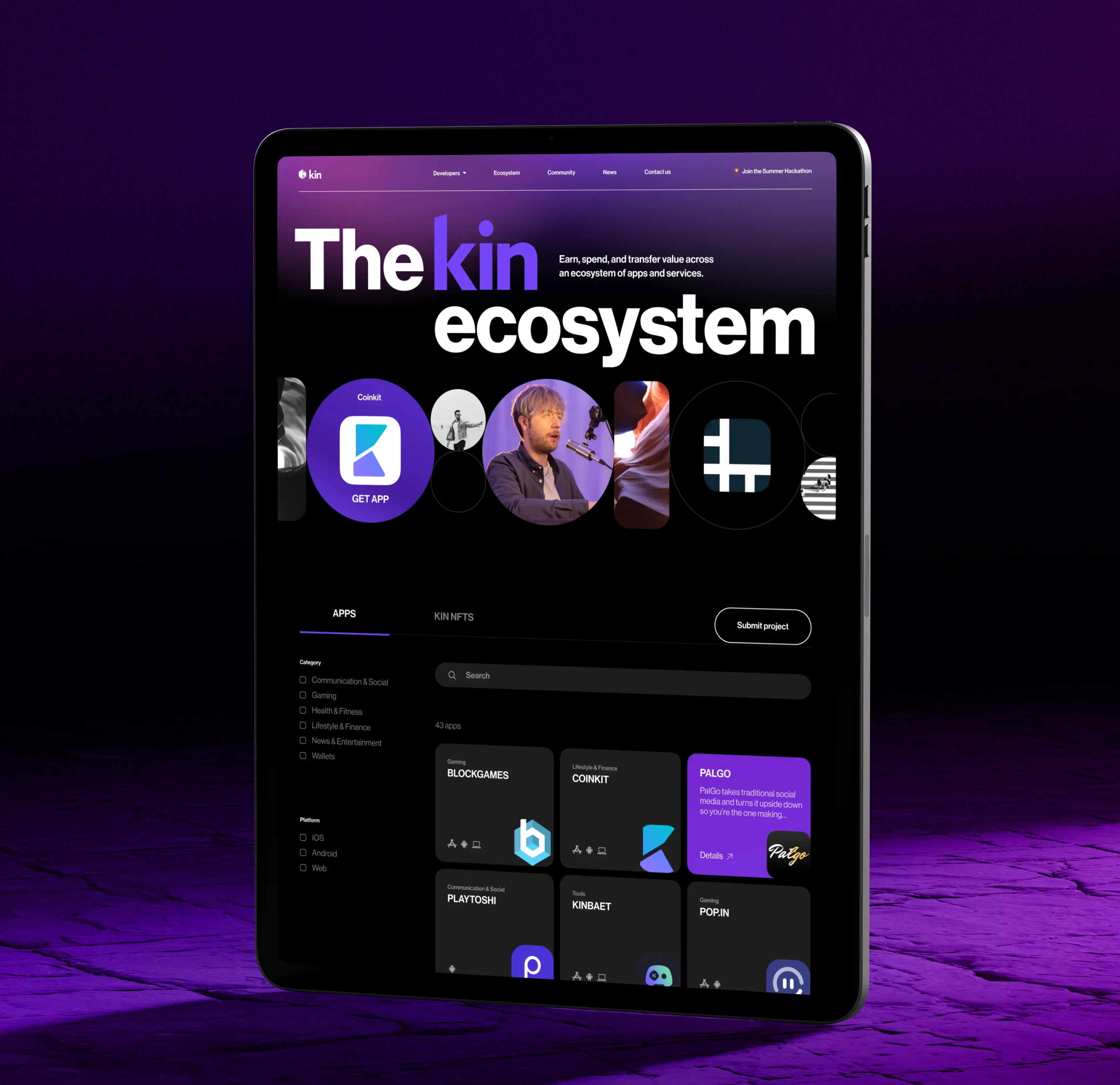
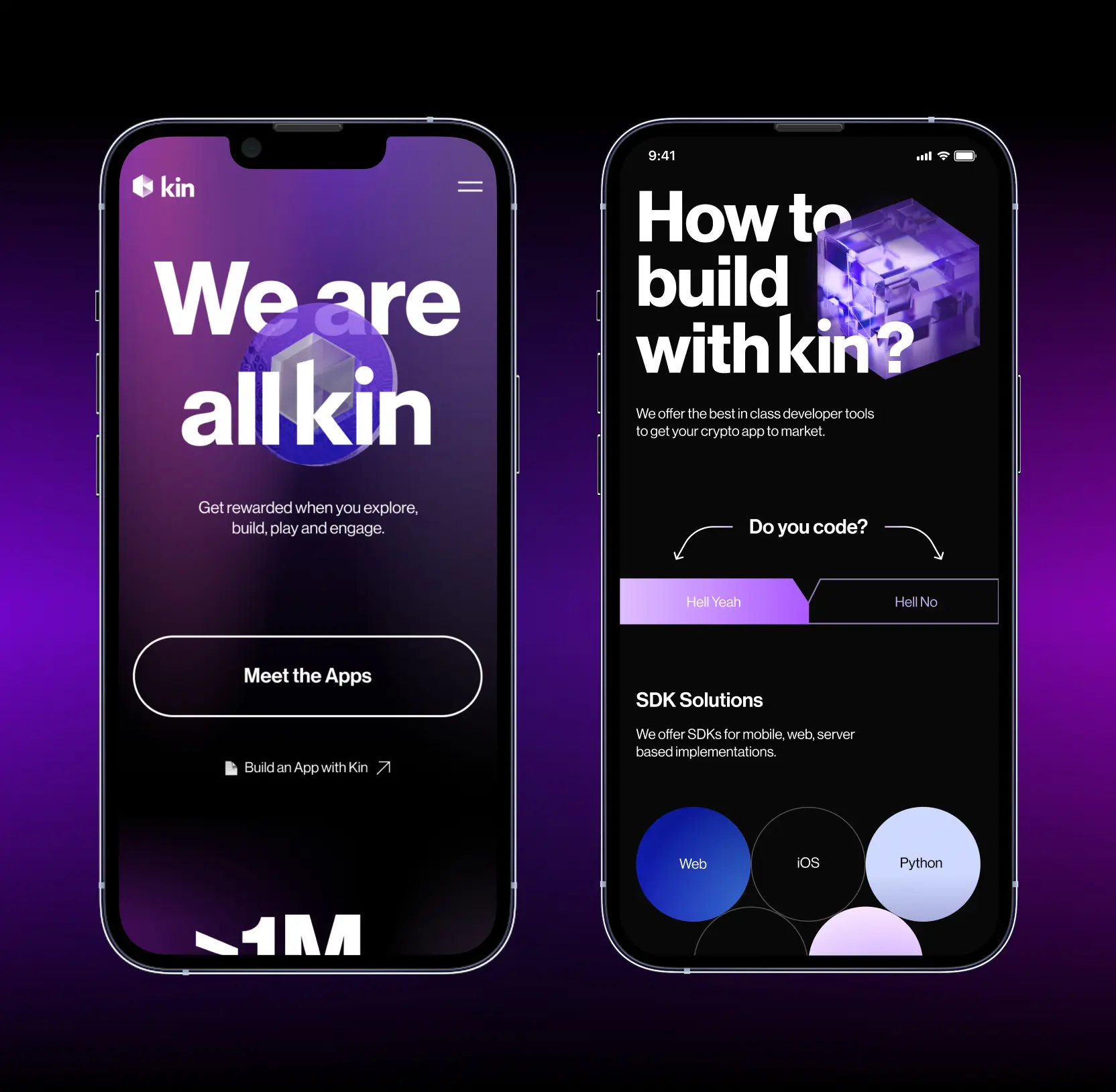
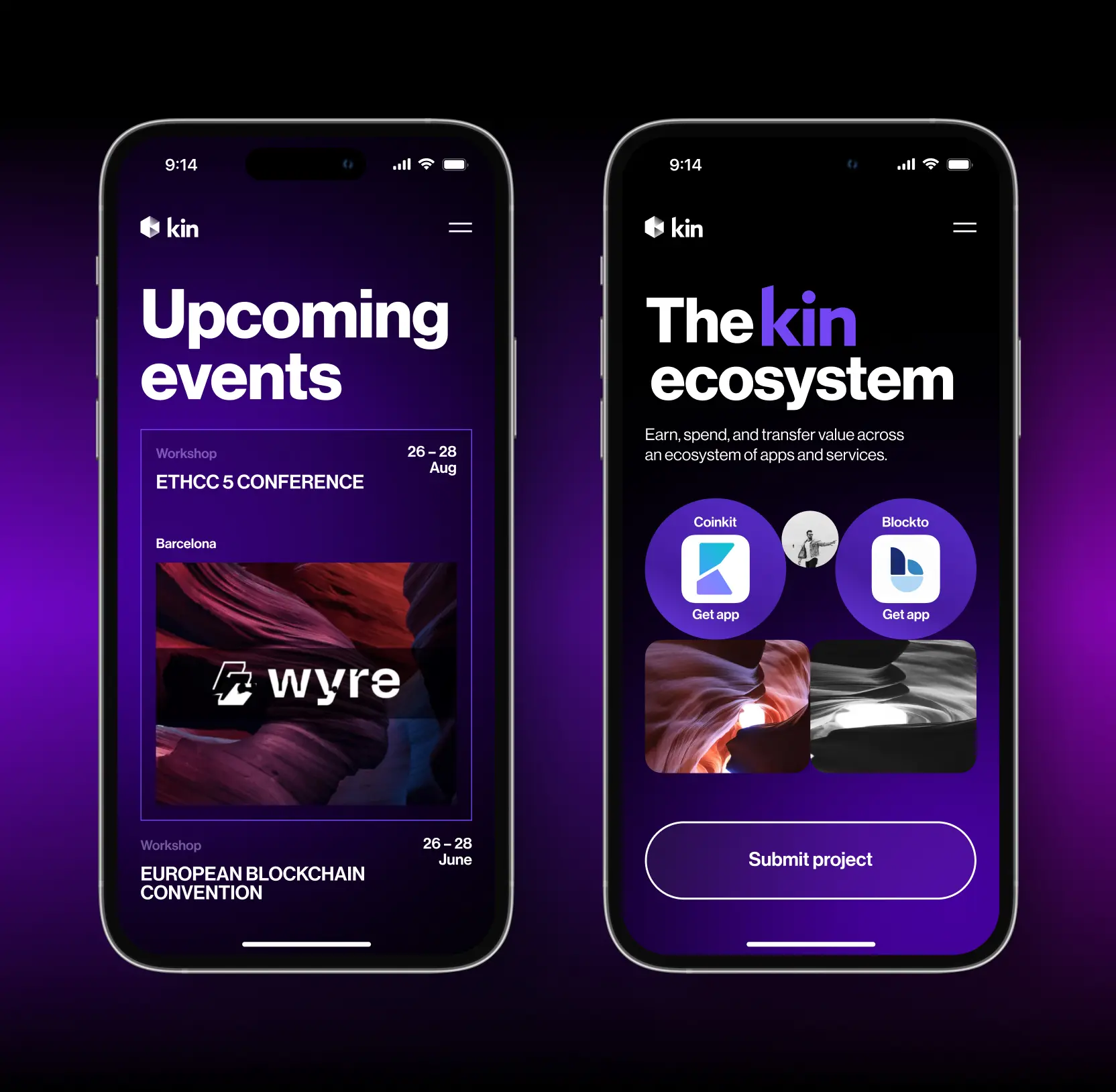
Lazarev.agency restructured the platform’s visual hierarchy and navigation to make it simpler and more streamlined. The dynamic homepage now features 3D models and animated elements, which add interactivity and visual appeal while maintaining a minimalist Web3 design. Additionally, bold buttons, clear typography, and intuitive layouts improved information delivery and made it easier for users to engage with the platform.
This simplified structure reduced the user journey time by 40%, ensuring a more efficient and enjoyable experience for both new and returning users.
Next-Gen Web3 Design: How to Engage Clients and Push Boundaries?
Empowered developer adoption with a revamped developer portal
A crucial aspect of the web3 platform redesign was optimizing the Developer Portal to enhance Kin’s developer ecosystem. The previous portal lacked clarity and didn’t provide the resources developers needed to integrate Kin effectively into their applications.
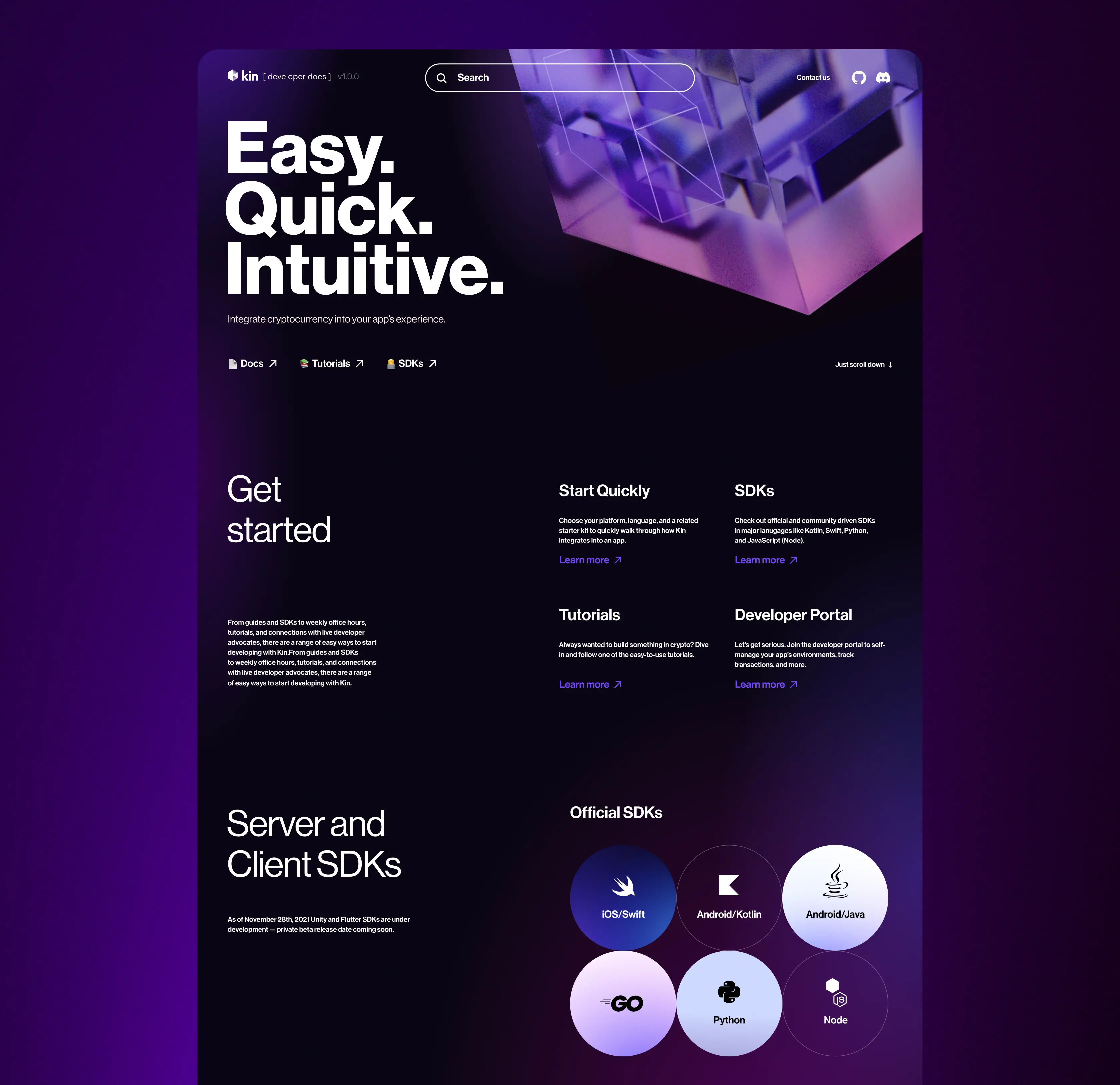
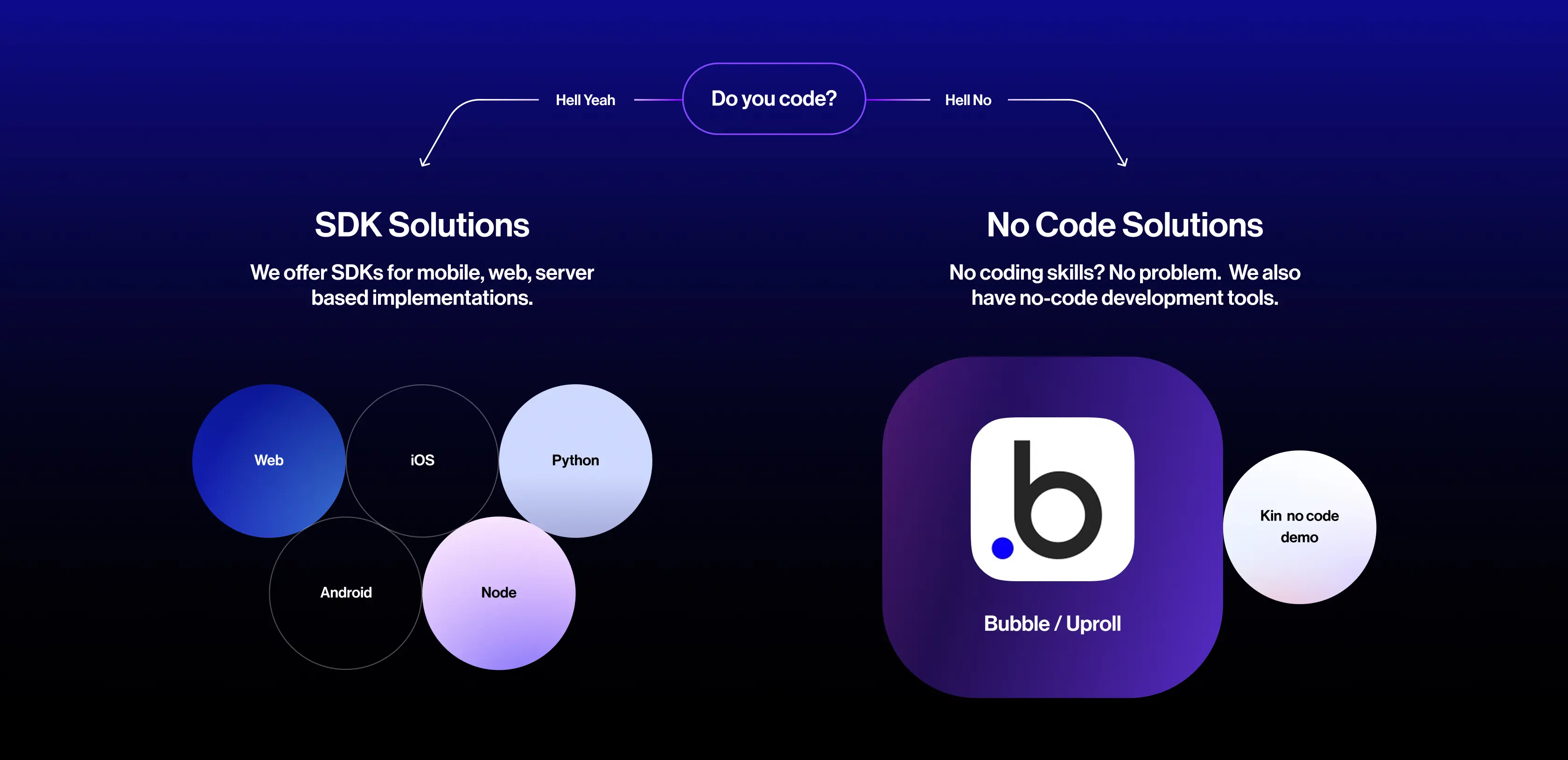
We focused on developer-first architecture by providing essential resources like SDKs, APIs, no-code tools, and comprehensive step-by-step guides. The portal was designed to simplify the onboarding process and reduce friction, enabling developers to get started quickly and confidently.
The new Developer Portal encouraged more than 20 new integrations with leading e-commerce and ad platforms, expanding Kin’s reach and accelerating the adoption of the platform’s tools within the developer community.
Enhanced discoverability and engagement through Kin Rewards
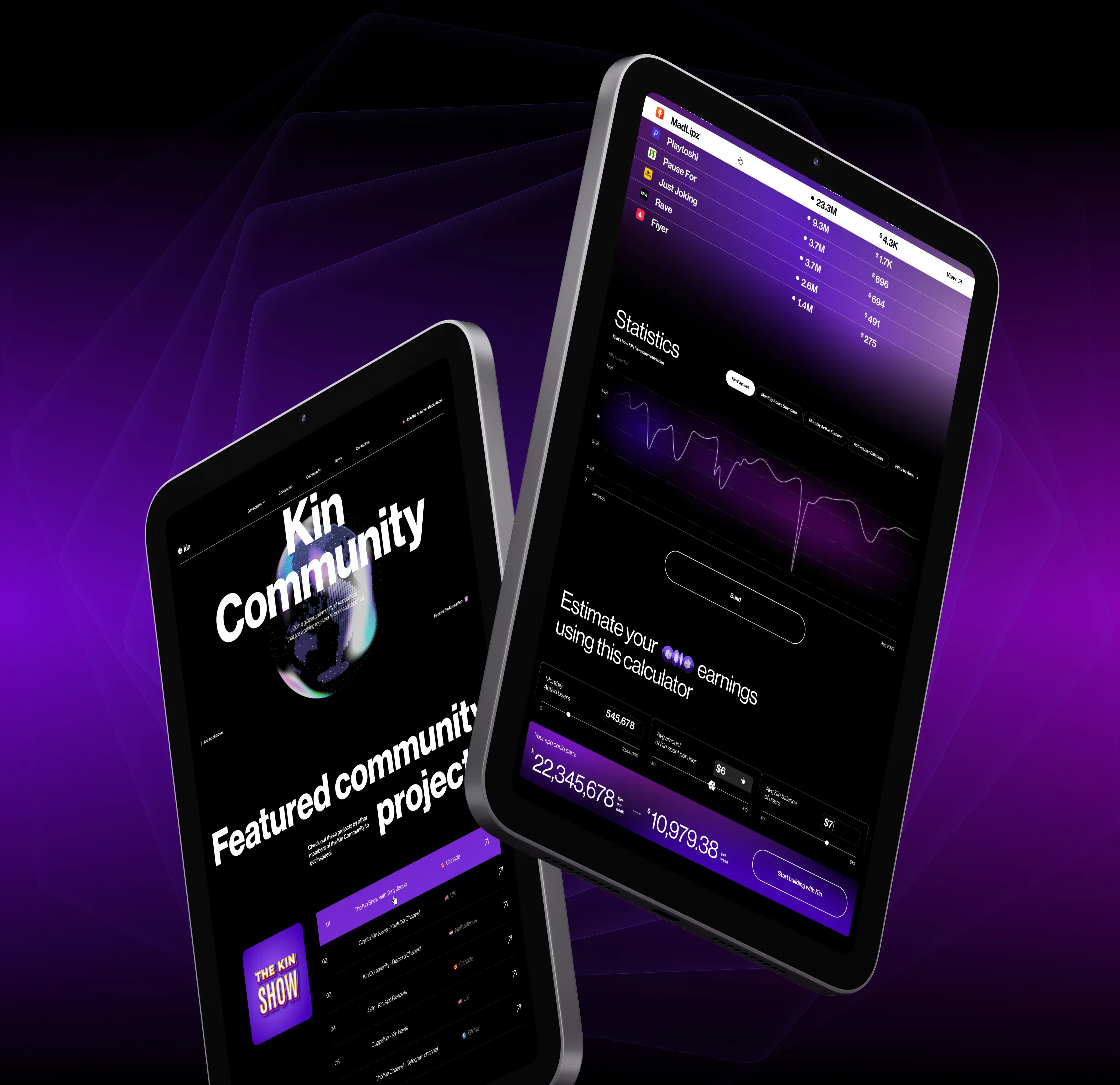
Another key feature of the redesign was the overhaul of the Kin Rewards system. Previously, users and developers had trouble understanding how to participate in the rewards program and integrate Kin into their apps.
We developed the Kin Rewards Engine, an intuitive interface that clearly explains the process of earning rewards through user engagement and app integration. By simplifying the rewards system into clear steps, we made it easier for both developers and users to understand their role in the ecosystem and how they could benefit from their contributions.
This change, combined with responsive layouts and strategic calls to action (CTAs), helped improve user interaction with the platform and boosted user retention by 25%.
10 product redesign companies with proven results and client success stories
Optimized for adaptive, cross-platform use
To ensure a seamless experience across all devices, Lazarev.agency optimized the Kin platform for adaptive and responsive use as part of the web3 platform redesign. We designed every feature with performance and responsiveness in mind, ensuring that users could access Kin’s tools efficiently, whether on desktop or mobile.
Rather than simplifying features or sacrificing functionality, we focused on maintaining high performance and smooth navigation across all screen sizes. This optimization enabled Kin’s platform to provide a consistent experience on different devices, making it more accessible and user-friendly for a broader audience.
By ensuring the platform was fast and responsive on both mobile and desktop, Kin became a more versatile and user-friendly tool for all users, regardless of their device. This contributed to better engagement and user satisfaction, supporting both new users and developers alike.
Enhanced developer onboarding and ecosystem efficiency
We designed a developer-focused page to guide and support developers in navigating the Kin ecosystem. By presenting essential resources like APIs, SDKs, and documentation in a clear and structured layout, we enable seamless onboarding and integration.
The page provides practical examples, step-by-step guides, and insights into best practices, helping developers build, scale, and innovate with Kin. This design fosters a deeper understanding of the ecosystem, empowering developers to effectively create and engage within the Kin community.
Web3
Lazarev. agency offers comprehensive digital design services. Discover our range of related expertise supported by impactful case studies.
More Scaleups Cases
FAQ
What’s the best approach to improve user engagement on a Web3 platform?
To enhance user engagement on a Web3 platform, prioritize simplifying the user experience while maintaining functionality. In the case of Kin Foundation, we revamped the platform’s UX to reduce complexity, streamline navigation, and create intuitive interfaces. These improvements resulted in a 40% reduction in user journey time and a 25% increase in new user retention, making the platform more appealing to both developers and end users.
How can a Web3 platform redesign boost developer adoption and make onboarding easier?
Focusing on a frictionless onboarding experience is key. For Kin, we restructured the Developer Portal, making it easier for developers to access essential resources like SDKs, APIs, and step-by-step guides. This streamlined process reduced entry barriers, enabling 20+ new integrations with major platforms and boosting developer engagement within the ecosystem.
How can a Web3 platform improve content discoverability for users?
Improving content discoverability on a Web3 platform requires an intuitive layout and seamless content flow. At Kin, we reorganized the platform’s content and created clear entry points for Kin Rewards, apps, and developer tools, making it easier for users to navigate and discover valuable resources. This restructuring led to increased content engagement, driving greater interaction across the platform.
What are the key benefits of adopting a responsive, cross-platform design for Web3?
A responsive, cross-platform design ensures users have a consistent and high-quality experience, whether they’re on mobile or desktop. For Kin, we optimized the platform to function smoothly across devices, enhancing performance without compromising functionality. This resulted in seamless access to tools, improved user experience, and a more scalable platform.
How does the design of a Web3 platform impact brand consistency and user trust?
Brand consistency and trust are critical in Web3 platforms, where users seek transparency. Kin’s redesign incorporated a unified platform identity, ensuring that branding, design elements, and messaging were consistent across both desktop and mobile. This reinforced the platform’s professional image and helped increase user trust, which is vital in a decentralized ecosystem.
What role does UX design play in Web3 platform adoption?
UX design is crucial in ensuring that Web3 platforms are approachable and easy to navigate. For Kin, we focused on simplifying the user interface and reducing friction points that could deter users. By creating an intuitive, streamlined experience, we helped Kin achieve a 120% increase in organic traffic and significantly boosted user engagement and satisfaction.
How do you measure the success of a Web3 platform redesign?
Success can be measured by improvements in key business metrics like traffic growth, user retention, engagement, and conversion rates. For Kin, our redesign led to a 25% increase in new user retention, a 40% reduction in user journey time, and a 120% growth in organic traffic, alongside industry recognition, such as winning two Webby Awards.