


Let's talk about your AI adoption challenge
Web design work you can visit
Web design has to earn attention in the few seconds before someone leaves, then hold it long enough to explain something. The cases below cover web design across marketing sites and product pages, with the reasoning behind each layout.
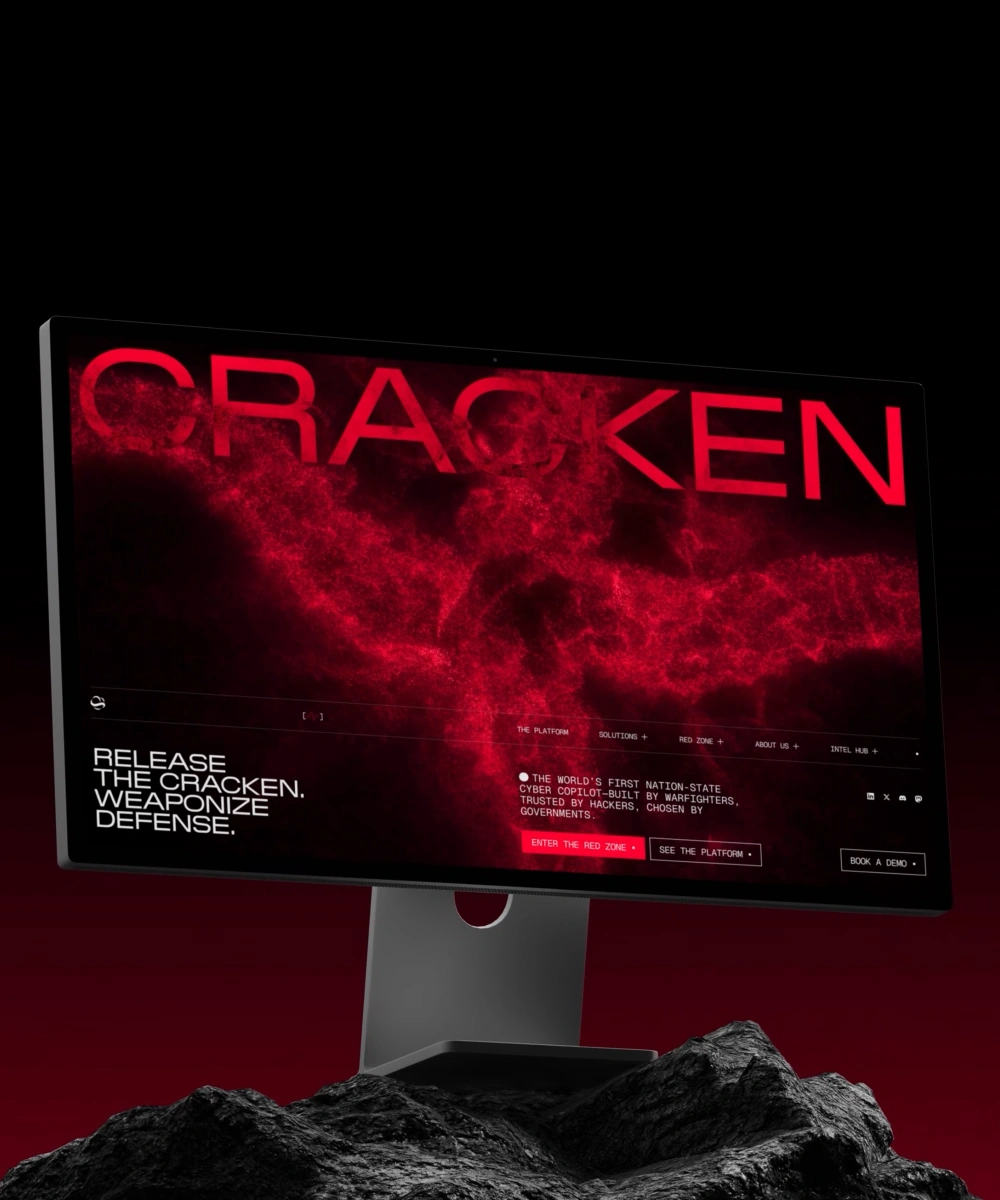
How our AI cybersecurity platform design helped Cracken make offensive security feel operational
Cracken introduced a bold new category in AI cybersecurity. Lazarev.agency designed a website that made agentic AI feel tangible, helping technical buyers and executives understand, trust, and adopt an offensive security mindset from the first interaction.
View case
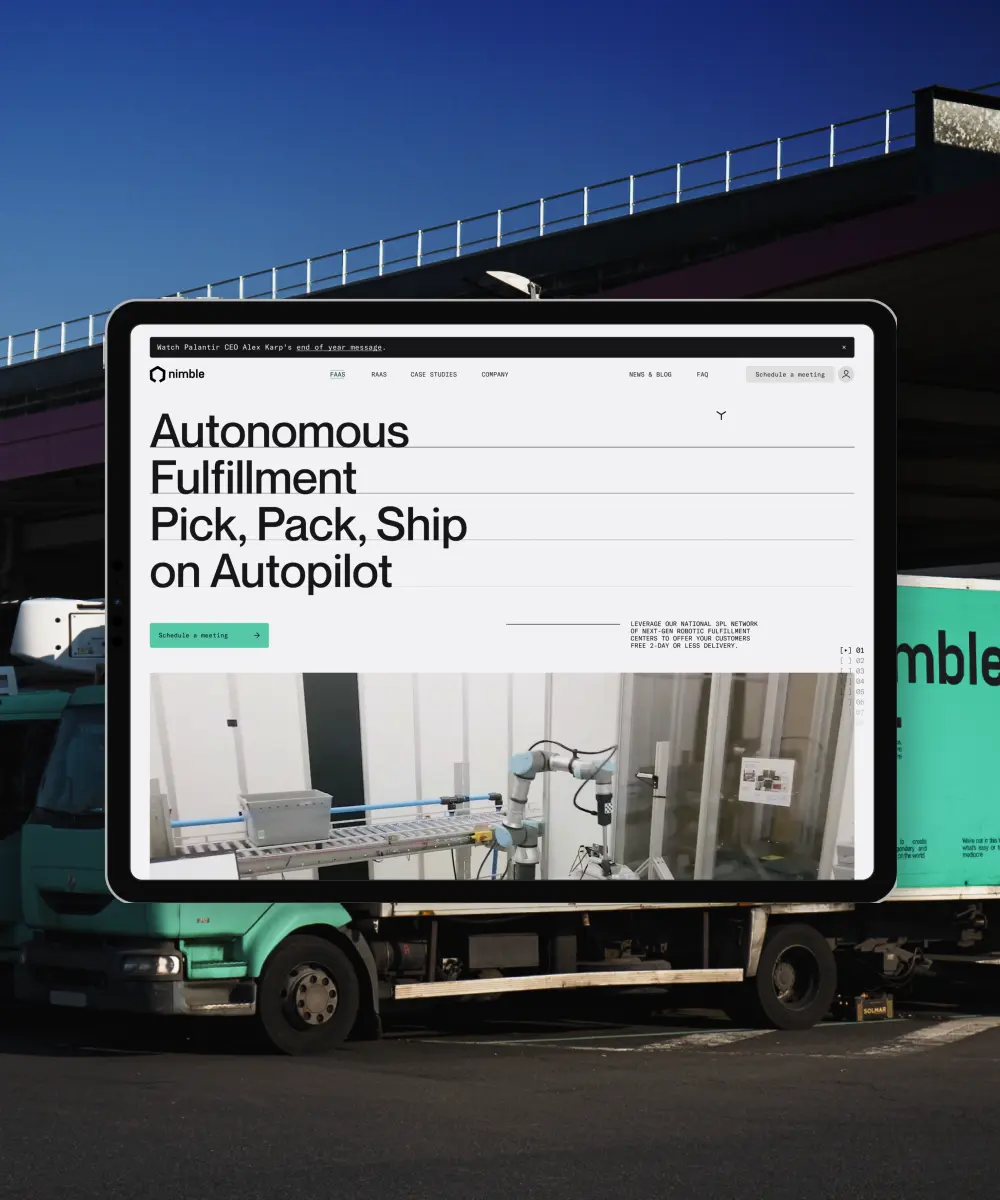
How our logistics website redesign helped Nimble raise $106M in Series C funding
Nimble’s robotics impressed in the warehouse but not on the web. Lazarev.agency redesigned the company’s digital presence to communicate enterprise-scale credibility, helping buyers and investors understand the technology faster and supporting a $106M Series C raise.
View case
How our redesign made Abu Dhabi University's depth clear for applicants and students
Abu Dhabi University had depth, but its digital experience hid it. Lazarev.agency redesigned the platform around the needs of applicants, students, and faculty, transforming a fragmented ecosystem into a unified digital campus where information, services, and opportunities are easier to find and act on.
View case

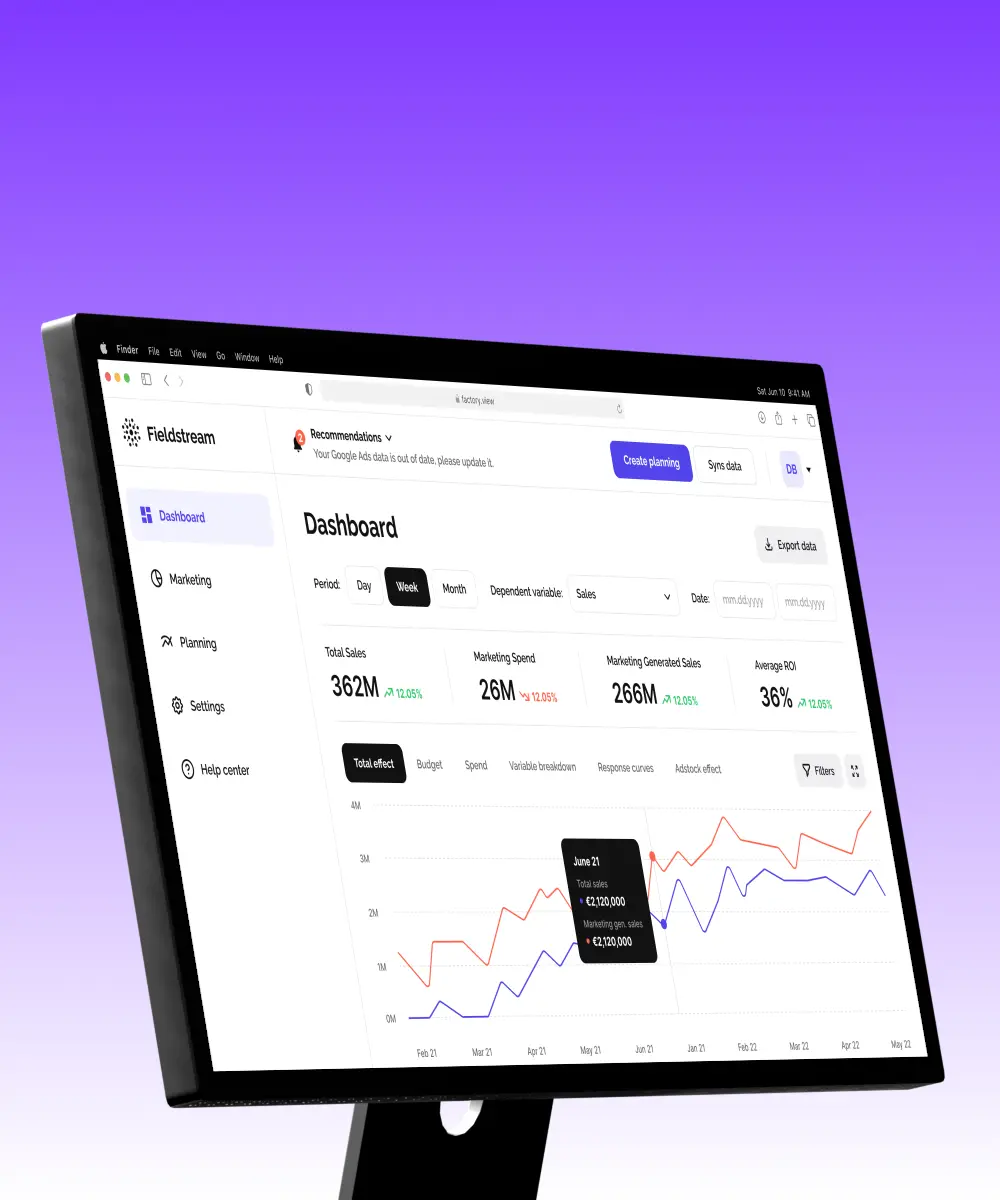
How AI marketing platform redesign helped Fieldstream secure $3.8M in pre-seed funding
Fieldstream had powerful AI underneath but friction at the surface. Lazarev.agency redesigned the platform into a structured decision system that helped marketers plan faster, stay inside the product, and supported Fieldstream’s $3.8M pre-seed raise.
View case
No items found.